 Jewelry Identifier
Can You Identify Jewelry from a Photo? How AI Recognition Works
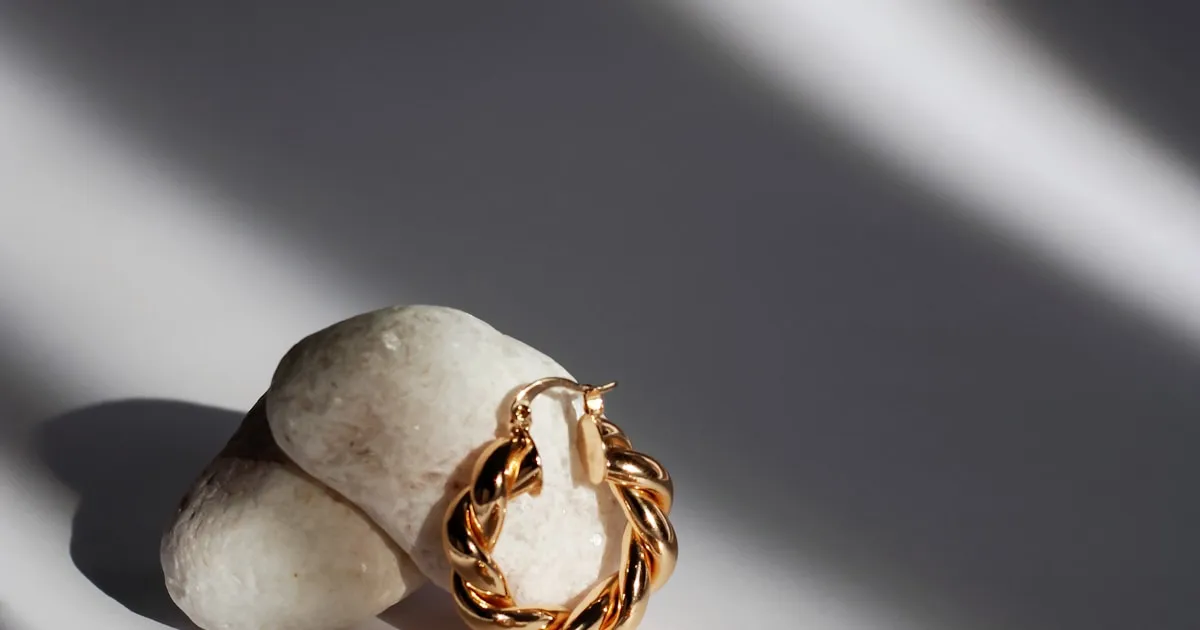
You've got a photo of a ring and want to know what it is. Maybe you're researching before an estate sale. Maybe someone sent you a picture asking for opinions. Maybe you just want to identify that piece sitting in your drawer without getting off the couch.
Photo-based jewelry identification works now. AI has advanced enough that pointing your phone at a ring genuinely produces useful information. But the technology has limits worth understanding.
How Photo Identification Works
Modern jewelry identification apps use convolutional neural networks trained on millions of jewelry images. The AI learns to recognize patterns: the shape of prong settings, the color characteristics of different metals, the way light refracts through various gemstones.
When you submit a photo, the AI compares what it sees against learned patterns. Within seconds, it makes predictions about:
- Jewelry type (ring, necklace, brooch, etc.)
- Metal type and probable purity
- Stone types and estimated sizes
- Style era and design characteristics
- Estimated value range
The technology improves continuously. Each identification helps train better models. Accuracy in 2026 significantly exceeds what was possible even two years ago.
What Photo ID Gets Right
AI excels at pattern recognition tasks humans find tedious. It reliably identifies:
Jewelry categories: Ring versus bracelet versus necklace—essentially 100% accuracy on clear photos.
Major stone types: Diamond versus colored stone versus pearl. The overall category is usually correct. For deeper detail on specific stones, see our gemstone identification guide.
Metal color: Yellow gold, white metal, rose gold. The AI sees color accurately.
Style characteristics: Art Deco versus Victorian versus Modern. Design elements pattern-match well.
Relative scale: Given reference objects or known dimensions, the AI estimates sizes reasonably.
What Photo ID Gets Wrong
Certain determinations require physical examination or specialized equipment that cameras cannot replicate:
Precise metal purity: Photos cannot distinguish 14K from 18K gold. The colors are too similar. AI guesses based on style and probable market positioning but can't verify.
Natural versus synthetic stones: A high-quality synthetic ruby looks identical to natural ruby in photographs. Only lab equipment reveals the difference.
Exact carat weights: AI estimates stone sizes but cannot measure precisely. Depth, cut proportions, and density variations affect weight.
Treatments and enhancements: Heat-treated sapphires, fracture-filled diamonds, and oiled emeralds look like untreated stones in photos.
Authenticity of signatures: Fake Cartier stamps look real in photographs. Physical examination reveals inconsistencies that cameras miss.
Tips for Better Photo Results
Photo quality directly affects identification accuracy. Follow these guidelines:
Lighting: Natural daylight produces the most accurate colors. Avoid direct sunlight that creates harsh shadows or glare. Overcast days or shade work well.
Background: Plain, neutral backgrounds let the AI focus on the jewelry. White paper or gray cloth works. Busy patterns confuse the recognition.
Focus: Sharp focus matters enormously. If your phone camera struggles with close-ups, step back slightly and crop later.
Multiple angles: Take several photos: top view, side profile, and any stamps or marks. More data improves results.
Show the stamps: A separate close-up of hallmarks and maker's marks provides definitive information that visual appearance cannot. Our guide on how to read jewelry stamps and hallmarks explains what each marking means.
Include scale reference: A coin or ruler in the frame helps estimate stone sizes accurately.
When Photo ID Is Enough
Photo-based identification suits certain situations perfectly:
- Initial sorting of inherited collections
- Quick checks before estate sales or auctions
- Identifying styles for research purposes
- Satisfying basic curiosity about pieces
- Getting ballpark values for casual selling
For these uses, spending money on professional appraisals makes little sense. Photo ID gives you enough information to make decisions.
When You Need More
Photo identification doesn't replace professional appraisal when:
- Insuring valuable jewelry (insurers require certified appraisals)
- Selling high-value pieces (buyers expect documentation)
- Estate settlements with legal implications
- Authenticating designer pieces
- Determining natural versus synthetic origin
Use photo ID as a filter. Identify what seems valuable enough to warrant professional attention, then invest in appraisals only for those pieces.
Want to try it yourself? Use the free jewelry identifier — upload a photo and we'll identify the piece, grade the materials, and estimate its value — then get your free full appraisal for a documented report.
The Bottom Line
Photo-based jewelry identification works surprisingly well for general purposes. It won't replace gemologists or eliminate the need for physical examination of valuable pieces. But it answers the question "what is this?" quickly and freely—which is often exactly what you need.
Snap a photo, get an answer, decide whether that answer warrants further investigation. The technology handles step one efficiently.