 Jewelry Identifier
Jewelry Appraisal Near Me vs. Online: Which Should You Choose?
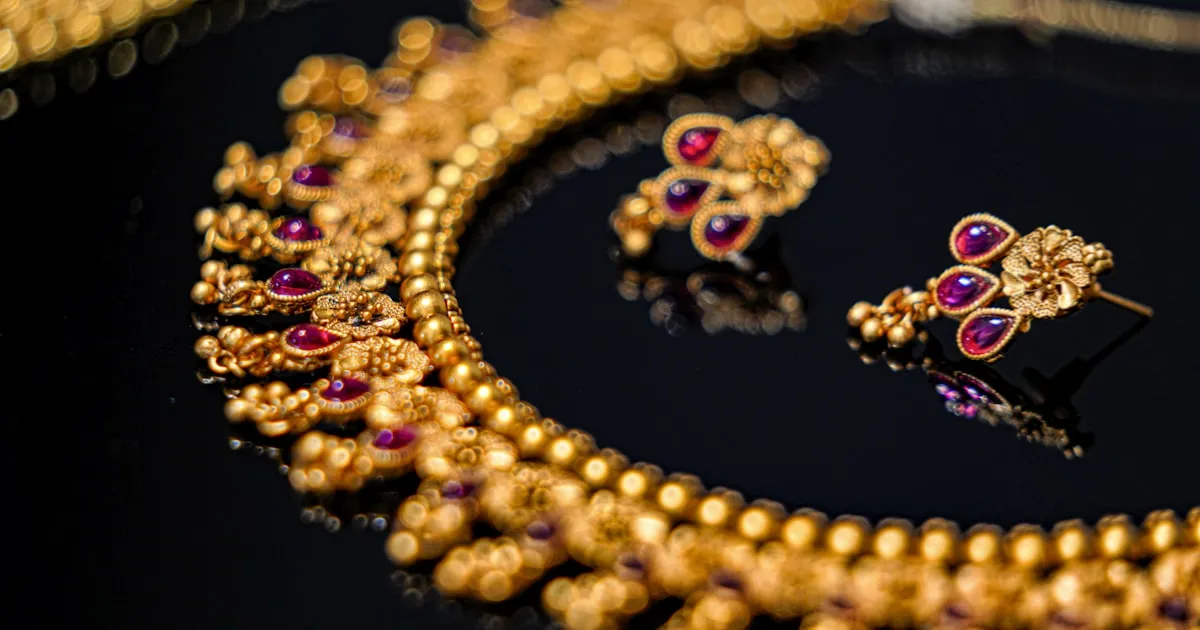
You need to know what your jewelry is worth. The traditional answer is finding an appraiser near you. But online services and AI apps now offer alternatives. Which approach makes sense depends on why you need the appraisal and what you're willing to pay for it.
Local In-Person Appraisers
Professional appraisers examine jewelry physically. They use calibrated equipment—scales, loupes, thermal testers, spectrometers—to measure and identify materials precisely. The result is a formal document stating what the piece is and what it's worth.
Where to find them:
- Independent certified appraisers (look for GIA Graduate Gemologist credentials)
- Fine jewelry stores with appraisal services
- Auction houses (for potential consignment pieces)
- Estate jewelry specialists
What it costs: $50-150 per piece typically. Complex items or formal estate appraisals may cost more. Some appraisers charge hourly ($50-150/hour) rather than per-piece. Our jewelry appraisal cost breakdown covers pricing in more detail.
What you get: A signed document describing the item in detail—metal type and weight, stone identification with measurements, condition assessment, and stated value for a specific purpose (insurance replacement, fair market value, or liquidation value).
When You Need Local Appraisal
Certain situations require in-person professional appraisal:
Insurance purposes: Insurance companies require certified appraisals for scheduled jewelry. Your homeowner's policy might cover jewelry up to a limit, but valuable pieces need individual scheduling with documented values. Our guide to jewelry appraisal for insurance explains exactly what insurers expect.
Estate settlement: Executors need documented values for estate tax purposes. The IRS doesn't accept app-generated estimates for estates exceeding reporting thresholds.
Divorce proceedings: Courts require formal appraisals for asset division. Both parties may need independent appraisals.
High-value sales: Buyers of expensive pieces expect documentation. Selling a $10,000 ring without appraisal reduces buyer confidence and your selling price.
Authentication: Determining whether designer pieces are genuine requires hands-on examination. Photos can't reveal all the details that distinguish authentic from fake.
Online and App-Based Alternatives
Digital options range from AI-powered apps to remote appraisal services:
AI identification apps: Upload photos, get instant identification and value estimates. Free or low-cost. Accuracy varies but works well for general identification and ballpark values.
Photo-based remote appraisal: Some appraisers offer remote services—you send detailed photos and receive written assessment. Cheaper than in-person but limited by photo quality and inability to physically test materials.
Online marketplaces: Sites like Worthy and I Do Now I Don't provide valuations as part of their selling service. Useful data point but motivated by their interest in your consignment.
When Digital Options Work
Online and app-based identification makes sense when:
You're sorting a collection: Inheriting boxes of jewelry? Apps quickly separate potentially valuable pieces from obvious costume jewelry, directing your appraisal investment where it matters.
You're curious, not committed: Wondering what something might be worth without needing documentation? Apps answer that question in seconds.
You're researching before buying: Considering a purchase at an estate sale or antique shop? Quick identification helps you decide whether the asking price makes sense.
Values are modest: Paying $75 to appraise a $150 ring makes no financial sense. Apps give you enough information to make reasonable decisions about lower-value pieces.
You need multiple opinions: Running the same piece through several apps provides consensus estimates. Significant disagreement suggests the piece needs professional evaluation.
The Hybrid Approach
The most cost-effective strategy combines both methods:
- Use apps to scan everything in your collection
- Sort results into categories: definitely costume, possibly valuable, clearly valuable
- Research the "possibly valuable" category using market data (eBay sold listings, auction results)
- Get professional appraisals only for pieces that warrant the cost
This approach might save hundreds of dollars on appraisal fees while ensuring truly valuable pieces get proper documentation.
How to Get Jewelry Appraised: Step by Step
If you're wondering how to get jewelry appraised without wasting time or money, follow this order:
- Screen it first (free). Photograph each piece and run it through a free tool like the free jewelry appraisal estimator to separate costume from fine jewelry. This tells you which pieces are even worth appraising.
- Gather any documentation. Original receipts, prior appraisals, certificates (GIA, AGS), and box/papers all raise the value and speed up the process.
- Decide why you need it. Insurance, resale, and estate/tax each call for a different appraisal type and value basis — tell the appraiser up front so you get the right number.
- Choose local or online. For a documented, credentialed report you need an in-person appraiser (see below). For a fast working estimate, an online tool is enough.
- Get it in writing. A usable appraisal names the appraiser's credentials, the valuation method, item descriptions, and the effective date.
For a free first read on what you have and what it's worth, start with the free jewelry appraisal tool before booking anyone.
Finding Quality Local Appraisers
If you need professional appraisal, quality matters:
Credentials to look for:
- GIA Graduate Gemologist (GG)
- American Society of Appraisers (ASA) certification
- National Association of Jewelry Appraisers membership
- Certified Gemologist Appraiser (CGA)
Red flags:
- Appraisers who also want to buy your jewelry (conflict of interest)
- Fees based on percentage of appraised value (incentive to inflate)
- Appraisals without seeing pieces in person
- No credentials or vague claims of "experience"
Questions to ask:
- What is your fee structure?
- What credentials do you hold?
- What equipment do you use?
- Will the appraisal document be accepted by insurance companies?
The Value Question
"What's it worth?" has different answers:
Insurance replacement value: What it would cost to buy an equivalent piece new at retail. Typically the highest number.
Fair market value: What a willing buyer would pay a willing seller when neither is under pressure. Usually lower than insurance value.
Liquidation value: What you'd get selling quickly—pawn shop or estate sale prices. Often 30-50% of fair market value.
Apps typically estimate fair market value. Insurance appraisals use replacement value. Make sure you understand which number you're getting.
Want a quick value estimate before deciding on a professional appraisal? Get a free jewelry appraisal — upload a photo and get an instant identification and value estimate.
The Bottom Line
Use apps and online tools for initial identification, sorting collections, and satisfying curiosity. Use professional in-person appraisers when you need documentation that third parties will accept—insurance, legal proceedings, or high-value sales.
Match the tool to the task. Most jewelry questions don't require paying an expert. The questions that do are worth the investment.