 Jewelry Identifier
Ring Identification Guide: How to Find Out What Ring You Have
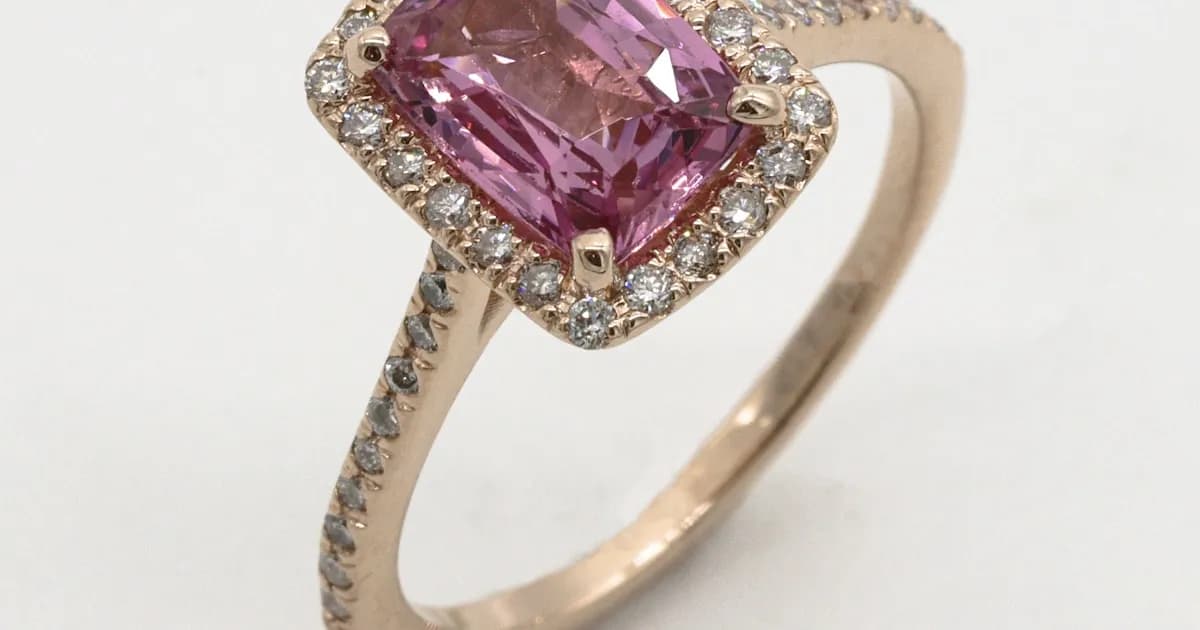
You've got a ring. Maybe you found it. Maybe you inherited it. Maybe you bought it at an estate sale and now you're wondering what you actually purchased. Getting from "mystery ring" to "identified piece with known value" takes systematic examination.
Here's how to identify any ring, step by step.
Step 1: Find the Stamps
The inside of the band tells you more than any other feature. Grab a magnifying glass and examine the interior surface carefully. You're looking for small stamped marks, often worn or hard to read.
Metal purity stamps:
- 750, 18K, 18KT = 18 karat gold (75% pure)
- 585, 14K, 14KT = 14 karat gold (58.5% pure)
- 417, 10K, 10KT = 10 karat gold (41.7% pure)
- 925, Sterling = Sterling silver (92.5% pure)
- PT950, PLAT = Platinum (95% pure)
- PALLADIUM, Pd = Palladium
Plating indicators:
- GP, GEP = Gold plated
- GF = Gold filled (thicker than plating)
- HGE = Heavy gold electroplate
- RGP = Rolled gold plate
Maker's marks: Look for initials, symbols, or brand names near the purity stamp. These identify the manufacturer and sometimes add significant value.
Step 2: Identify the Style
Ring styles help date pieces and determine purpose:
Engagement rings feature a prominent center stone, usually diamond, with prong, bezel, or halo settings. Solitaires have one stone; three-stone rings symbolize past, present, future.
Wedding bands are typically plain or channel-set with small stones. Width varies from thin wire-width to substantial 8mm bands.
Signet rings have a flat face, sometimes engraved with initials or family crests. Traditionally worn on the pinky finger.
Cocktail rings feature large, bold designs meant to attract attention. Often oversized stones or dramatic clusters.
Eternity bands have stones set completely around the circumference. Full eternity goes all the way; half eternity covers only the visible portion.
Class rings feature school or graduation symbols, often with colored stones representing school colors. Usually dated with graduation year.
Step 3: Examine the Stones
If your ring has stones, identification affects value dramatically:
Diamond indicators: Exceptional brilliance (white light) and fire (rainbow flashes). Diamonds should feel cold to the touch initially. Under magnification, look for inclusions—perfect clarity is rare and either very valuable or indicates a simulant.
Colored stone considerations: Check for natural-looking inclusions. Too-perfect stones are often synthetic. Color should have some variation, not be perfectly uniform.
Check the setting: Fine jewelry settings are substantial and well-made. Prongs should be even and secure. Cheap settings suggest costume-quality stones regardless of appearance.
If the stamp indicates precious metal but the stones look suspicious, you might have a fine ring with replacement stones—common in inherited pieces where original stones were lost or removed.
Step 4: Test the Metal
If stamps are missing or illegible, physical tests help:
Magnet test: Gold, silver, and platinum are not magnetic. Strong attraction indicates base metal or plating over steel.
Weight: Precious metals feel heavy for their size. Compare your ring's heft to known gold or silver pieces of similar size.
Wear patterns: Look at high-wear areas—the shank bottom, edges, clasps on adjustable rings. If you see different colored metal showing through, the piece is plated.
Acid testing: Jewelry supply stores sell acid test kits that provide definitive metal identification. Follow instructions carefully—acids are corrosive.
Step 5: Research the Maker
If you found a maker's mark, research it:
Designer marks: Tiffany, Cartier, David Yurman, and other designers have recognizable stamps. Authentication matters—fakes exist.
Manufacturer marks: Many jewelry manufacturers used maker's marks. Online databases catalog these by country and era.
Assay marks: British and European jewelry often carries assay office marks indicating where and when the piece was tested. These can date rings precisely.
Step 6: Date the Ring
Construction methods help establish age:
- Hand-cut stones indicate pre-1900 manufacture
- Old European cut diamonds (high crown, small table) predate 1930
- White gold became common in the 1920s
- Rhodium plating started in the 1930s
- Modern brilliant cuts became standard post-1950
Style elements provide additional dating clues. Art Deco geometry places rings between 1920-1935. Victorian romantic motifs indicate 1837-1901. Understanding era helps establish authenticity and value.
When to Seek Professional Help
Your examination provides good baseline information. Professional appraisal adds value when:
- The ring appears potentially valuable
- You need insurance documentation
- You're selling and buyers expect certification
- You can't read worn stamps
- Stone identification is uncertain
For rings that pass your preliminary tests—precious metal stamps, quality construction, potentially valuable stones—professional appraisal protects against undervaluing significant pieces.
Not sure what you're looking at? Try the free jewelry identifier — upload a photo of your ring and we'll identify the metal, stones, and give you an estimated value — or get your free full appraisal for a detailed report.
Quick Reference
The identification checklist in order:
- Check inside band for stamps
- Identify purity marks
- Look for maker's marks
- Determine style and purpose
- Examine any stones
- Test metal if stamps missing
- Research maker if identified
- Date by construction methods
- Decide if professional appraisal warranted
Most rings reveal their nature through careful examination. The ones that remain mysterious after this process are the ones worth paying an expert to examine.