 Jewelry Identifier
Gold Jewelry Guide: How to Test, Value, and Sell Gold
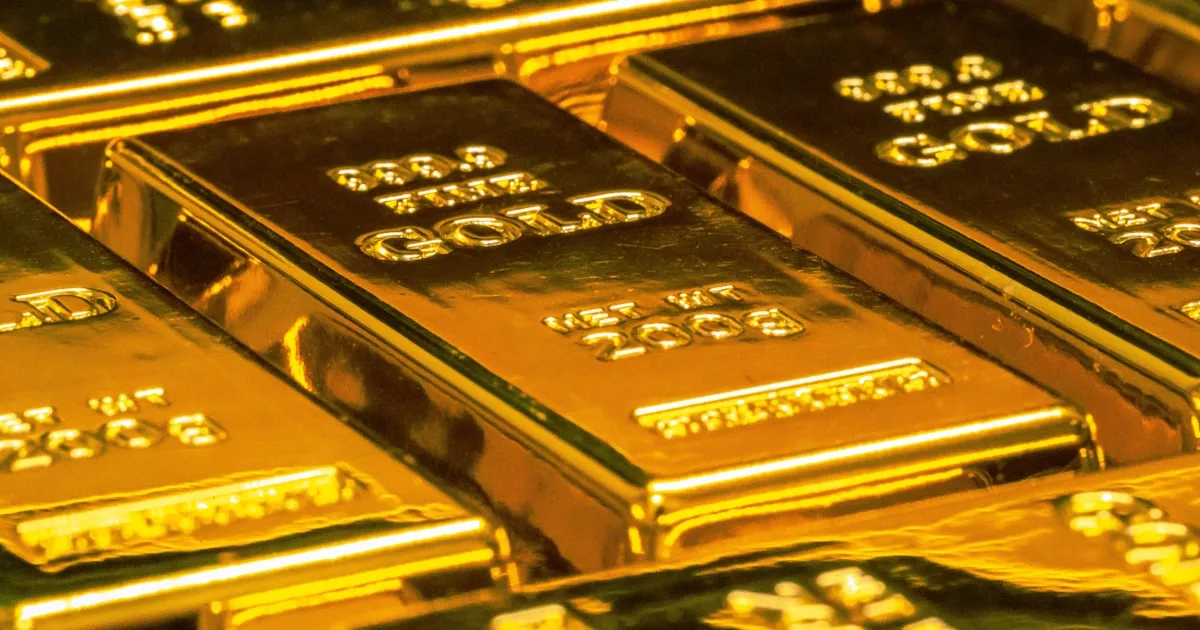
Gold sits in drawers, jewelry boxes, and sock drawers across America. Some people know exactly what they have. Most don't. If you own gold jewelry and want to understand what it's worth, how to verify it's real, and what your options are for selling, this guide covers all of it.
Understanding Gold Purity: What Karat Actually Means
Pure gold is 24 karat. It's also too soft for most jewelry. Bend a 24K ring with your fingers and the ring bends. So gold gets mixed with other metals—copper, silver, zinc, nickel—to create alloys that hold up to daily wear.
Each karat level tells you the gold percentage:
- 24K (999) — 99.9% pure gold. Common in Asian markets, rare in Western jewelry
- 22K (916) — 91.6% gold. Popular in Indian and Middle Eastern jewelry
- 18K (750) — 75% gold. The standard for luxury brands worldwide
- 14K (585) — 58.5% gold. The most common in American fine jewelry
- 10K (417) — 41.7% gold. The legal minimum to be called "gold" in the US
- 9K (375) — 37.5% gold. Common in UK and Australian jewelry
Higher karat means more gold content, richer yellow color, and higher value per gram. It also means softer metal that scratches more easily. 14K strikes the balance that most Americans prefer: enough gold to look good, enough alloy to last.
Gold Colors and What Creates Them
Gold comes in more colors than you might expect, all created by varying the alloy metals:
Yellow gold: The classic. Pure gold is yellow, so yellow gold alloys use metals that don't shift the color much—typically silver and copper in balanced proportions.
White gold: Alloyed with palladium, nickel, or silver to achieve a white appearance, then plated with rhodium for a bright, reflective finish. When the rhodium wears off (every 1-3 years with regular wear), white gold shows a slightly yellowish or grayish color underneath.
Rose gold: Higher copper content creates the pink tone. 14K rose gold contains about 58.5% gold and a significant percentage of copper. Rose gold has gotten popular since the 2010s, but it's been used in jewelry since the 1800s.
Green gold: A higher silver content produces a subtle greenish tint. Rare in modern commercial jewelry but found in some designer pieces.
All gold colors at the same karat level contain the same percentage of gold. A 14K rose gold ring has the same gold content as a 14K white gold ring. The value difference is minimal.
How to Test Gold at Home
You don't need a jeweler for initial testing. These methods catch the majority of fakes.
Visual Inspection
Look for karat stamps: 10K, 14K, 18K, 24K or their metric equivalents (417, 585, 750, 999). Check inside rings, on clasp tags, on the backs of pendants, and near the hinges of brooches. Use a magnifying glass or your phone's macro mode.
Stamps saying GP (gold plated), GEP (gold electroplated), GF (gold filled), or RGP (rolled gold plate) indicate gold layering over base metal, not solid gold.
Magnet Test
Gold isn't magnetic. Use a strong neodymium magnet (available for a few dollars online). If your jewelry is attracted to the magnet, the base metal is ferrous and the piece isn't solid gold.
One exception: some clasps contain steel springs for functionality. The clasp might be magnetic even on a genuine gold chain. Test the chain itself, not just the clasp.
Ceramic Plate Test
Drag the jewelry across an unglazed ceramic plate (like the bottom of a coffee mug). Gold leaves a gold-colored streak. Fake gold typically leaves a black streak. This does scratch the piece slightly, so test in an inconspicuous spot.
Float Test
Gold is dense. Drop the piece in water—real gold sinks immediately and directly to the bottom. Gold-plated lightweight metals may sink more slowly or feel buoyant. This test works for simple pieces but isn't conclusive for hollow or complex designs that trap air.
Calculating Gold Melt Value
Melt value is the floor price—the minimum your gold is worth if melted into a bar. Here's how to calculate it:
- Weigh the piece in grams (a kitchen scale works)
- Look up today's gold spot price per gram (search "gold price per gram")
- Multiply: weight × gold price × purity percentage
Example: A 14K gold bracelet weighing 12 grams when gold spot is $75/gram:
12g × $75 × 0.585 = $527 melt value
Intact, well-made pieces sell for more than melt. A Tiffany bracelet with the same gold content might fetch $1,500+. But melt value gives you a baseline that no legitimate buyer should offer below.
Gold-Filled vs. Gold-Plated: The Difference Matters
People confuse these constantly. They're very different.
Gold-filled (GF) has a thick layer of gold mechanically bonded to a base metal. By US law, the gold layer must be at least 1/20th (5%) of the item's total weight. Gold-filled jewelry lasts decades and rarely wears through. Vintage gold-filled pieces from the 1940s still look like gold today.
Gold-plated (GP) has a microscopically thin layer of gold deposited through electrolysis. It wears off within months to a few years of regular use. The gold content is negligible.
Gold vermeil is sterling silver with a thick gold plating (at least 2.5 microns). It's better than standard gold plating but still wears over time.
For resale purposes: gold-filled pieces have some gold recovery value. Gold-plated pieces have essentially none.
Where to Sell Gold Jewelry
Your selling channel depends on whether the piece has value beyond its gold content.
For designer or intact fine jewelry: Sell through jewelry consignment, online marketplaces, or directly to buyers. A complete Cartier piece with box and papers can sell for multiples of its gold melt value.
For generic or damaged gold: Gold buying shops, refiners, and pawn shops pay based on weight and purity. Compare offers from at least three buyers. Legitimate gold buyers pay 70-90% of melt value.
For vintage or antique gold: Antique dealers and specialty platforms (Ruby Lane, 1stDibs) find buyers who appreciate craftsmanship and history, not just metal weight.
Red flags when selling: any buyer who won't weigh the piece in front of you, doesn't explain their calculation, or pressures you for an immediate decision.
Caring for Gold Jewelry
Gold doesn't tarnish or corrode, but it does scratch and collect grime.
- Cleaning: Warm water, a drop of dish soap, and a soft toothbrush. Soak for 15 minutes, gently scrub, rinse, pat dry. This works for all gold colors and karat levels
- Storage: Store pieces separately to prevent scratching. Soft cloth pouches or individual compartments in a jewelry box
- White gold maintenance: Get rhodium replating when the finish dulls, usually every 1-3 years. Costs about $25-75 at a jeweler
- What to avoid: Chlorine (pools, hot tubs) weakens gold alloys over time. Remove gold jewelry before swimming
Ready to find out what your gold jewelry is worth? Get your free jewelry appraisal — upload a photo and get an instant estimate of the karat, metal type, and value.
Getting Started
Whether you're buying, selling, inheriting, or just organizing your jewelry box, start with identification. Use an AI identification app to quickly photograph and catalog your gold pieces. You'll know the approximate karat, style era, and value range within minutes.
From there, decide what stays in the box and what gets sold. Gold prices fluctuate daily, but the long-term trend has been consistently upward. If you're not in a rush to sell, you have the luxury of waiting for a good price. If you need cash now, at least you'll know the fair value and won't accept less.