 Jewelry Identifier
Does Jewelry Sell Well on eBay? What the Numbers Say in 2026
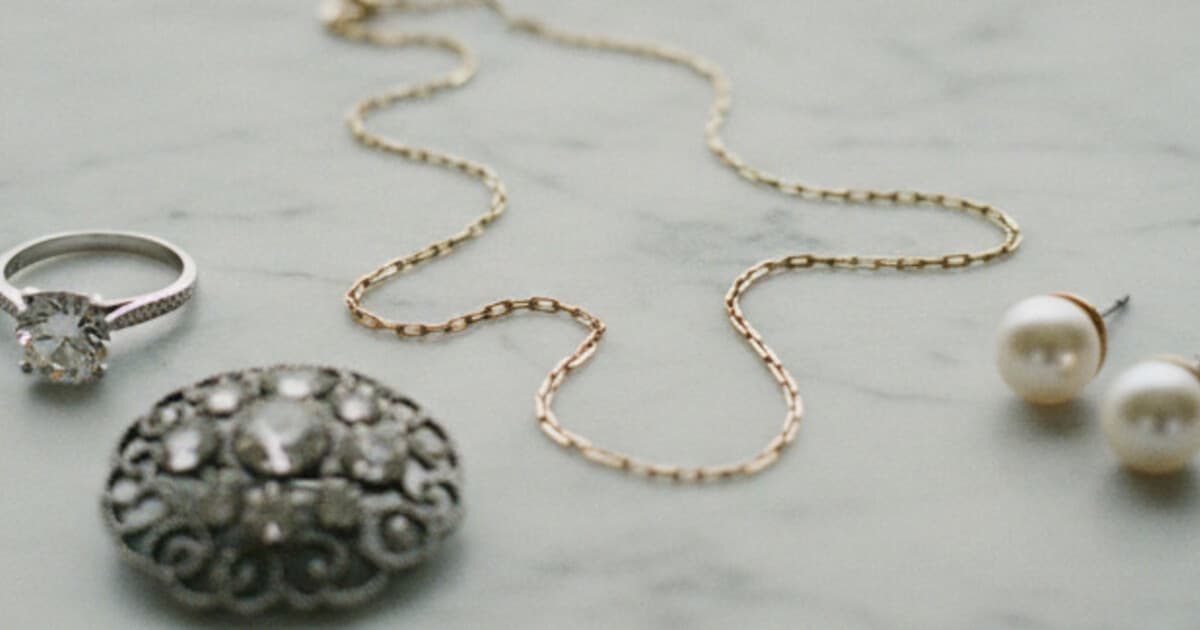
Does jewelry sell well on eBay? Generally yes. But results vary a lot by category.
Gold is trading above $4,000 per troy ounce. eBay's jewelry section has millions of active buyers. Some pieces sell within hours. Others sit unsold for months and get relisted until the seller gives up.
The difference isn't luck. It's category, condition, and whether buyers can verify what you're selling from photos alone. This guide breaks down what moves fast, what stalls, why listings fail, and what to do before you write a single word of your description.
Yes, jewelry sells well on eBay, especially gold, diamonds, and vintage signed pieces. Gold items often sell within 24-48 hours at current spot prices. Fashion jewelry and unsigned costume pieces are harder to move and often return little after fees. Your results depend on what you have, how you present it, and whether buyers can verify authenticity from photos.
What Jewelry Sells Best on eBay
Gold jewelry moves faster than almost anything in the category. With gold above $4,000 per troy ounce in 2026, buyers and resellers actively hunt for 10K, 14K, and 18K pieces priced at or near scrap. Solid gold rings, chains, and bracelets sell within 24-48 hours of listing because spot value sets a hard floor. Buyers know what they're getting. Diamond jewelry is the second-fastest moving category: solitaire rings and stud earrings with clear photos showing sparkle regularly attract multiple bidders, even without GIA paperwork. Vintage and signed pieces from brands like Trifari, Monet, Napier, and Weiss pull collector demand that pushes prices well above material value. Fashion jewelry and unsigned costume pieces land at the other end: they compete with thousands of near-identical listings, have no scrap value floor, and often sell for less than the cost of shipping. Listings that show metal hallmarks clearly in photos consistently receive more bids than vague listings, because buyers can't confirm what they're buying without visual proof of the stamps.
Here's how other categories stack up:
Gold (10K, 14K, 18K, 22K): Fastest-moving category on eBay right now. Even beat-up chains sell because scrap buyers are active. Stamp visibility in photos is critical.
Diamonds: Strong demand. GIA or EGL certified stones sell faster and command better prices. Uncertified diamonds sell too if you provide clear specs: estimated carat weight, cut style, visible inclusions.
Silver (marked .925 or Sterling): Sells well, though slower than gold. Buyers calculate scrap value from weight, so list the gram weight. Silver-plated pieces are a different category entirely.
Platinum (marked Pt950, PLAT, or 950PT): Sells reliably to knowledgeable buyers. Harder to move than gold because fewer buyers recognize platinum stamps. A close-up of the mark in photos moves things along.
Vintage signed costume: Trifari, Weiss, Miriam Haskell, and Coro Pegasus attract strong collector demand. Research completed listings before pricing.
Pearls: Sell, but slowly. Real vs. cultured vs. faux uncertainty makes buyers cautious. Clear documentation or a detailed explanation in the listing helps.
For a full category breakdown with typical price ranges, see our guide to best jewelry to sell on eBay.
What Struggles to Sell on eBay
Fashion jewelry is the biggest graveyard in eBay's category. Pieces made of base metals, resin, or plastic with no gemstone content and no hallmarks compete with thousands of near-identical listings. The typical result: a $2 buy-it-now that barely covers shipping, if it sells at all.
Silver-plated pieces are tricky. Buyers know the difference between sterling and plated. "Silver-tone" or "silver-colored" in a title signals base metal. Without a 925 or Sterling stamp, buyers treat a piece as costume and price-shop accordingly.
Trendy fast-fashion jewelry from the last 10 years has essentially no resale market on eBay. Buyers can find the same pieces at thrift stores for a dollar. Shipping costs kill any margin.
Damaged or incomplete pieces have a small niche among parts buyers and jewelry restorers. A bracelet missing its clasp might sell in a lot with other repair parts. As a standalone listing, it won't move.
Bundle sales can salvage unprofitable singles. Grouping similar pieces into lots (mixed brooches, blue rhinestone sets, Art Deco pins) attracts a different buyer than individual listings and can turn $2 singles into a decent sale.
Why eBay Jewelry Listings Fail
The piece isn't always the problem. Most failed listings come down to 4 fixable issues.
Photos that don't show what matters. Jewelry is visual and buyers can't touch anything. Blurry shots on a wood table, single-angle photos that skip the clasp, no close-up of the stamp. These kill listings for pieces that would otherwise sell quickly. Sharp macro focus, a clean white background, multiple angles, and a dedicated shot of every mark. Natural light near a window or a cheap lightbox works fine.
Pricing from what you paid, not what similar pieces sold for. What you spent on the piece, what it retailed for originally, what an appraiser said years ago: none of that reflects what eBay buyers will pay today. eBay's completed listings (filter for "Sold Items") are the only price guide that matters. Asking prices are meaningless.
Vague descriptions. "Beautiful gold necklace, great condition" tells a buyer nothing. "14K yellow gold rope chain, 20 inches, 5.2 grams, stamped 585, lobster clasp, minor wear consistent with age" tells them everything. Buyers filtering for gold chains search those exact terms. Vague listings get skipped.
Not knowing what you have. If you don't know whether a piece is solid gold or gold-filled, you can't describe it accurately. If you can't read the hallmark, you'll either over-price and get no bids, or write a vague description that attracts only skeptical lowball offers. Getting clear on exactly what the piece is before you list changes your description, your pricing, and your confidence.
For the pricing research side, how to check jewelry prices on eBay walks through the exact process using sold listings.
How Jewelry Identifier Helps Before You List
The fastest path to a strong eBay listing is knowing exactly what you're selling before you write a word.
Jewelry Identifier reads the stamp in a photo and tells you what it means. 585 means 14K gold. 925 means sterling silver. Pt950 means platinum. It also identifies the piece type, any gemstones, approximate era, and gives you an estimated value range.
That takes about 2 minutes. And it converts "I think it might be gold?" into "14K gold rope chain, 5.2 grams, stamped 585," which is a completely different listing.
The free eBay Price Checker at jewelryappraisals.app pulls real completed-listing data from eBay so you see what similar pieces actually sold for, not what sellers are asking. Sold prices are the only number that matters for pricing your listing.
Upload a photo on mobile or at the website. Get the identification and estimated value. Cross-reference with the eBay price data. Five minutes of research before you list can be the difference between a quick sale and a piece relisted for months.
Try it now: your first appraisal is free.
Frequently Asked Questions
Does jewelry sell better as auction or buy-it-now on eBay?
Gold and high-value pieces often do better as auctions, especially when you're unsure of value. Let the market price it. Buy-it-now works when you've researched sold listings and know the right number. For lower-value pieces, buy-it-now avoids the risk of underselling if an auction draws few bids in the 7-day window.
How long does jewelry take to sell on eBay?
Gold and diamond pieces often sell within 24-72 hours at competitive prices. Vintage signed pieces typically take 1-3 weeks. Fashion jewelry without clear metal identification can sit for months or not sell at all. A 7-day auction usually moves faster than buy-it-now for high-demand categories.
Should I get jewelry appraised before selling on eBay?
A formal written appraisal isn't necessary for eBay. What you need is accurate information: metal type, weight, gemstones, and visible hallmarks. An AI identification tool or a local jeweler covers this faster and at lower cost. A written appraisal typically runs $25-150 and rarely adds value to eBay listings for pieces under $500.
What does eBay charge for jewelry sales?
eBay charges a 13.25% final value fee for most jewelry and watches, plus $0.30 per order. After 250 free listings per month, there's a $0.35 insertion fee per listing. On a $100 sale, you'll net roughly $85-87 before shipping costs.
Is eBay better than a pawn shop for selling jewelry?
eBay typically returns 20-50% more than a pawn shop for identifiable gold and diamond pieces. Pawn shops offer instant cash and no effort. eBay takes time but usually pays better. For a full breakdown of where to get the most for your jewelry, see is it worth selling jewelry on eBay.
What to Do Before You List
Know what you have before you write the listing.
Read the hallmarks. Weigh the piece on a kitchen scale (gold value is calculated by gram weight). Pull up eBay's completed listings, filter for sold items, and find 3-5 comparable pieces. Price based on where similar pieces closed, not where they're currently listed.
If you can't read the stamps or aren't sure what metal you're looking at, Jewelry Identifier can sort it out from a photo in about 2 minutes. The eBay Price Checker on the site pulls real sold data so you can price with confidence.
Jewelry can sell very well on eBay. The pieces that don't usually have the same problem: the seller didn't know what they had, and buyers couldn't figure it out from the listing either.
Get the identification right, price against sold data, and show the hallmarks clearly. That's most of it.