 Jewelry Identifier
How to Tell if Alexandrite Is Real: The Color Change Test
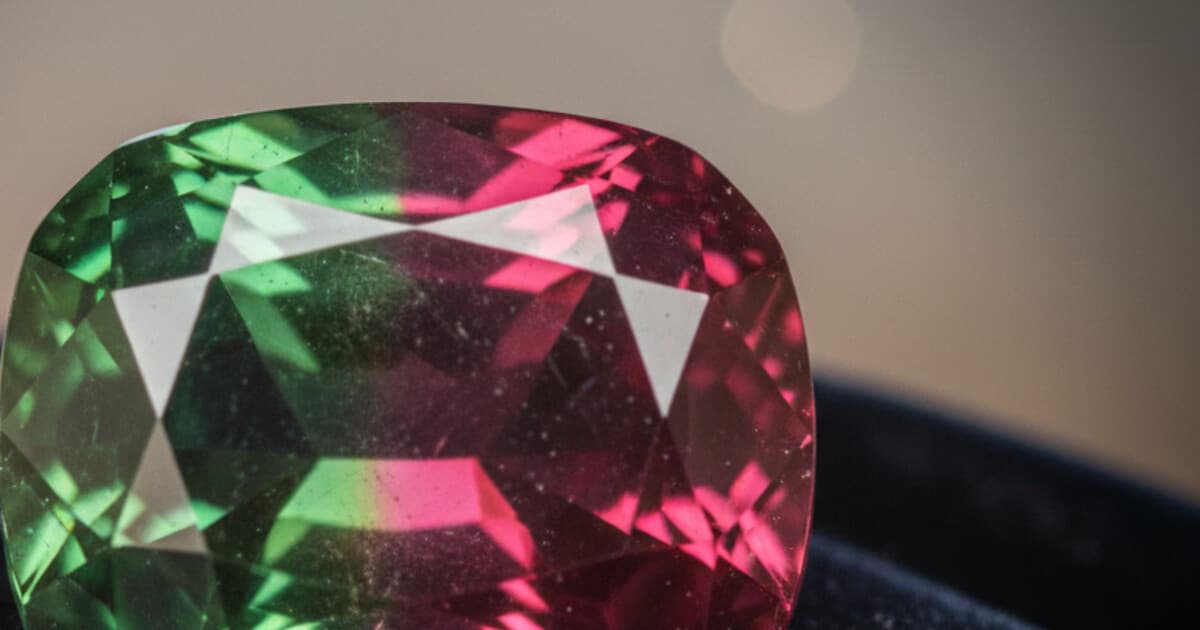
Natural alexandrite is among the rarest gemstones on the planet. Fine 1-carat stones sell for $5,000 to $20,000, and exceptional Russian specimens can go much higher. That rarity means the alexandrite in most jewelry at accessible prices is almost certainly lab-created or an imitation. Whether you inherited a ring or found a piece at an estate sale, knowing how to tell if alexandrite is real can mean the difference between a $50 piece of glass and something genuinely valuable.
The good news: alexandrite has one property that makes it easier to test than almost any other gem.
Genuine alexandrite shows a distinct color shift between daylight and incandescent light. In cool natural or fluorescent light, it appears green to bluish-green. Under a warm incandescent bulb, it shifts to red or reddish-purple. A stone that doesn't shift, or shifts only to gray-purple without reaching either green or red, is likely an imitation.
What Makes Alexandrite Change Color
Alexandrite is a variety of chrysoberyl, a mineral that contains trace amounts of chromium. That chromium is what causes the color change. The same element that makes emeralds green and rubies red creates something unusual in alexandrite: the stone appears different colors depending entirely on the type of light hitting it.
Alexandrite was first discovered in Russia's Ural Mountains in 1830 and named after Tsar Alexander II. Because its green and red color change matched Russian imperial military colors, it quickly became a prized gemstone. Those original Ural deposits are now nearly exhausted. Modern alexandrite comes mainly from Brazil, Sri Lanka, and East Africa. Russian stones still command the highest prices.
For a broader introduction to gemstone testing, see our gemstone identification guide.
Running the Color Change Test
This is the most reliable home test. You need two specific light sources, not just any two lights.
What you need:
- Natural daylight or a cool white fluorescent bulb (labeled 5000K-6500K "daylight")
- An incandescent bulb (old-style warm bulb, around 2700K) or a warm-toned flashlight
How to do it:
- Hold the stone under cool daylight or a fluorescent light. Note the color carefully.
- Move to incandescent light. Watch what happens.
- Switch back and forth a few times to confirm what you're seeing.
Alexandrite's color change comes from chromium's narrow absorption band, centered around 580nm in the visible spectrum. Chromium absorbs yellow-green light, which forces the stone to transmit either green or red depending on which wavelengths dominate the light source. Daylight and cool fluorescent bulbs contain more blue and green energy, so alexandrite appears green. Incandescent bulbs lean heavily toward red and orange wavelengths, causing the same stone to appear red. This is why testing requires two genuinely different light sources. Fine-quality natural alexandrite from Russia shows a near-complete color flip: a saturated forest-green becomes deep raspberry-red. Lower-grade material from Brazil or Sri Lanka shifts from teal to brownish-purple. Both are genuine. Lab-created alexandrite produced by the Czochralski method or flux growth contains the same chromium chemistry, so it shows the same shift. A stone that shifts only between shades of gray, blue, or purple without reaching green or red is not alexandrite.
Reading the results:
- Strong, clear shift from green to red: genuine alexandrite (natural or lab-created)
- Weak but directional shift from teal to brownish-purple: lower-grade genuine alexandrite
- Shift only between gray, blue, and purple: likely an imitation
- No shift at all: not alexandrite
Checking Inclusions Under a Loupe
A 10x jeweler's loupe adds useful information beyond the color change test.
Natural alexandrite almost always contains inclusions. Perfectly clean, flawless material in an affordable piece is a red flag. Fine natural stones do exist, but they're extremely expensive.
What you might see under magnification:
- Natural alexandrite: silky needles, fingerprint-like healed fractures, crystal inclusions, color zoning in bands
- Lab-created (Czochralski method): curved growth lines or striations following the crystal growth direction
- Lab-created (flux method): wispy veil-like inclusions, sometimes flux residue that looks like a solidified droplet
- Glass imitations: round air bubbles. One spherical bubble confirms glass, regardless of anything else
Alexandrite rates 8.5 on the Mohs hardness scale. If you want a quick additional check, try scratching an inconspicuous area of a glass surface (a bottle, not a window) with a corner of the stone. Real alexandrite leaves a scratch. Softer glass imitations don't mark glass reliably.
Natural Alexandrite vs Lab-Created
Understanding this distinction matters before you test, because a lot of people assume synthetic means fake.
Lab-created alexandrite is real alexandrite. It has the same chemical formula (BeAl2O4 with chromium), the same hardness of 8.5, and the same genuine color change. One formed in the earth over millions of years; the other was grown in a laboratory over weeks. The chemistry is identical.
Lab-created alexandrite typically sells for $50-$500 per carat. Natural alexandrite starts around $500 per carat for lower-quality material and climbs to $20,000+ for exceptional stones with strong color change and good clarity. Both pass the color change test.
What actually gets sold dishonestly isn't lab-created alexandrite described as natural. It's non-alexandrite material (glass, color-change sapphire, color-change garnet) sold as alexandrite of any kind.
If you want confirmation that a stone is natural rather than lab-created, that requires a gemologist with spectroscopic equipment. The color change test tells you if it's alexandrite at all. Professional analysis tells you which kind.
Common Fakes and How to Spot Them
Color-change glass: Sold most often in antique and vintage settings. The color shift sits in a dull gray-blue to gray-purple range without ever reaching true green or red. Glass also holds warmth differently from chrysoberyl. Under magnification, round air bubbles give it away immediately.
Color-change synthetic sapphire: Frequently labeled as "alexandrite" in mid-20th century jewelry, particularly pieces from Thailand and synthetic gem producers of the 1940s-1960s. The shift runs blue to violet, not green to red. If you have vintage jewelry sold as alexandrite that shows only a blue-to-purple change, this is probably what you have. It's not alexandrite, though some collectors value period pieces for what they are.
Color-change garnet: The closest mimic. It shifts from bluish-green in daylight to reddish-purple under incandescent, which gets closer to alexandrite's range than anything else. The tell is in the green: real alexandrite shows a deep forest-green or rich teal in cool light. Color-change garnet's green looks more minty or olive. Under magnification, garnet has a different crystal structure and inclusion pattern than chrysoberyl.
Doublets: Two layers of material bonded together, sometimes with a thin slice of real color-change material on top of glass. Look for a distinct horizontal seam at the girdle (the widest part of the stone) when viewed from the side in a glass of water.
How Jewelry Identifier Can Help
If you've got a piece you suspect might be alexandrite, Jewelry Identifier gives you a fast first look.
Take 2 photos: one in cool daylight and one under incandescent light. The AI analyzes the color shift, gemstone visual characteristics, and setting details against its database of alexandrite and common simulants. The app also reads any stamps or hallmarks in the setting, which can provide useful context. A platinum or white gold setting with a substantial stone is a stronger candidate for genuine alexandrite than a gold-plated setting with a small one.
For a potentially high-value natural stone, that initial reading helps you decide if a professional appraisal is worth the cost. You can check what a jewelry appraisal costs before you go.
Your first appraisal is free: try Jewelry Identifier at jewelryappraisals.app.
Frequently Asked Questions
What light do I need to test alexandrite at home?
You need two different light sources: natural daylight or a cool fluorescent bulb (5000K or above), and an incandescent bulb (around 2700K, warm-toned). Testing with two similar light sources won't reveal the shift. The gap between cool and warm is what triggers the color change response.
Is alexandrite the same as color-change sapphire?
No. Alexandrite is chrysoberyl; color-change sapphire is corundum. They're different minerals with different chemistry. Color-change sapphire shifts from blue to violet, not green to red. A lot of vintage jewelry labeled "alexandrite" actually contains color-change synthetic sapphire, particularly pieces from the 1940s-1960s.
Is alexandrite the June birthstone?
Yes. Alexandrite is one of June's 3 birthstones alongside pearl and moonstone. It was added to the official list in 1952. See the full birthstone guide for details on all 12 months. Because natural alexandrite is so rare, most June birthstone jewelry uses lab-created alexandrite or color-change synthetic sapphire as a substitute.
How much is natural alexandrite worth?
Natural alexandrite ranges from about $500 per carat for lower-grade material to $20,000+ per carat for fine stones with strong color change, good clarity, and Russian origin. Lab-created alexandrite sells for $50-$500 per carat. Common simulants like color-change glass or synthetic sapphire have minimal gem value.
Can I tell if alexandrite is natural or lab-created at home?
Not reliably. Both natural and lab-created alexandrite pass the color change test. Natural stones tend to have more inclusions, but inclusion patterns alone aren't conclusive without professional equipment. A gemologist using UV fluorescence spectroscopy can often distinguish natural from lab-created. For stones you think might be high-value natural alexandrite, professional testing is worth the cost.
Conclusion
The color change test tells you most of what you need to know. Green in daylight, red under incandescent: that's genuine alexandrite, natural or lab-created. A shift that only reaches gray-to-purple, or no shift at all, points to an imitation.
If you've got a piece worth checking, start with a free photo identification before committing to a professional appraisal. Get your free jewelry appraisal at Jewelry Identifier and find out what you're working with.