 Jewelry Identifier
How to Flip Jewelry on eBay: The Beginner's Guide
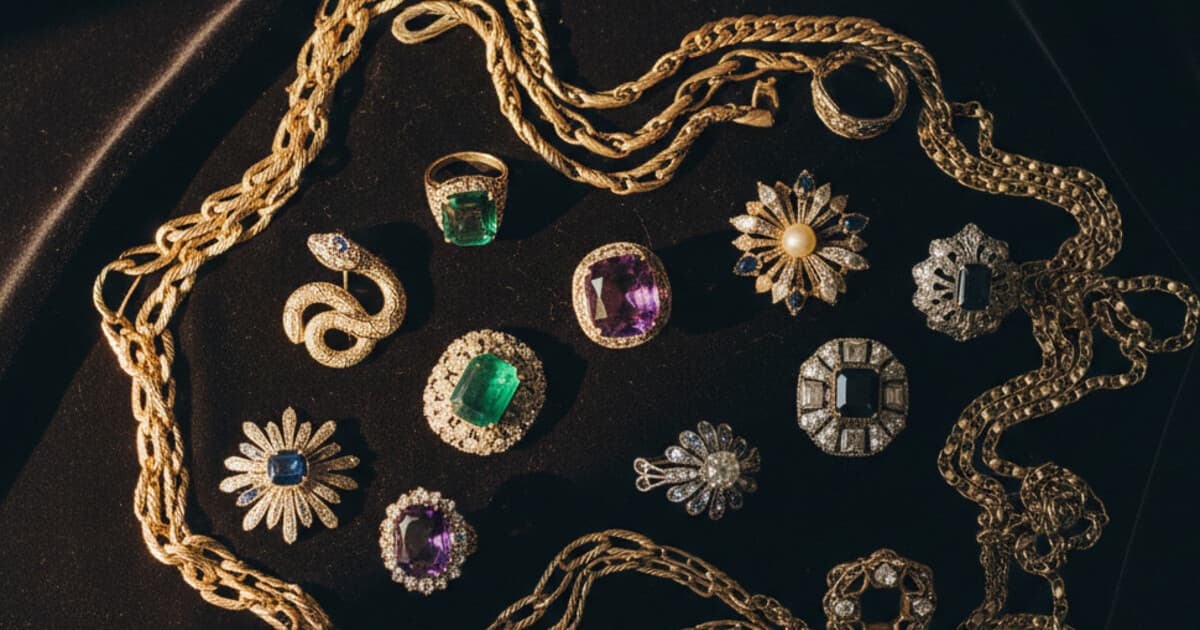
Gold is sitting above $3,000 per ounce right now, and estate sales are packed with pieces that most families sell by the bag. That gap is where jewelry flipping on eBay earns money. eBay is the largest secondary marketplace for jewelry in the world, with millions of buyers searching for gold, vintage costume pieces, and gemstone rings every day. If you know what to look for and how to identify it, you can build a consistent side income sourcing pieces locally and selling online.
This guide covers what sells, where to source it, how to price it, and how to avoid the identification mistakes that kill your margin.
Jewelry flipping on eBay means buying underpriced pieces from estate sales, thrift stores, or garage sales, then reselling at a profit. The most reliable flips are gold, sterling silver, and vintage designer pieces. Getting identification right before you buy is the difference between a $40 gain and a $40 loss.
What Jewelry Flipping Actually Involves
Flipping jewelry isn't complicated. You buy pieces for less than what buyers on eBay will pay, then sell them.
The tricky part is the gap between what something looks like and what it actually is. Costume jewelry can look exactly like fine jewelry. Gold-filled pieces look like solid gold. A synthetic sapphire looks nearly identical to a natural one. Buy wrong and your profit evaporates.
The flippers who do well learn to identify quickly. They know the stamps, the weight feel, the way real gold behaves versus plated brass. They check eBay sold prices before they buy, not after.
You don't need a lot of starting capital. Many people begin with $50 to $100, buy a few pieces at a weekend estate sale, and reinvest profits from each sale into the next sourcing run.
What Sells Well on eBay (and What Sits)
Not all jewelry flips equally. Some categories move fast and predictably. Others sit for 90 days without a bid.
What moves consistently:
- Solid gold and sterling silver (metal content sets a floor value buyers trust)
- Vintage costume jewelry from named brands: Monet, Trifari, Coro, Weiss, Miriam Haskell
- Signed designer pieces: Chanel, Dior, Napier, Lisner, Kenneth Jay Lane
- Natural gemstone rings in gold settings, especially estate pieces
- Men's gold chains and bracelets (consistent demand year-round)
- Art Deco and Victorian pieces with strong visual style
What moves slowly:
- Unsigned costume jewelry with no maker's mark (harder to price, lower ceiling)
- Gold-filled and gold-tone pieces (buyer disputes are common)
- Modern fashion jewelry (too much new retail competition)
Gold and silver are the most reliable categories for jewelry flipping on eBay. Gold holds intrinsic melt value regardless of style, so even unfashionable pieces find buyers. In 2026, gold spot prices above $3,000 per ounce make solid gold pieces especially profitable to source and resell. Sterling silver marks clearly (look for .925 stamps) and sells consistently across both jewelry and flatware categories. Vintage costume jewelry from brands like Monet, Trifari, Coro, and Weiss commands $15 to $200 per piece depending on condition and rarity. Fine jewelry with natural gemstones like diamonds, rubies, and sapphires requires more expertise but offers the highest margins. Estate sale lots often include undiscovered pieces priced by weight or visual appeal rather than gemstone value. The key discipline is identifying exactly what you have before you bid or buy, since misidentifying gold-filled as solid gold or a synthetic stone as natural can wipe out your profit margin entirely.
Where to Source Jewelry to Flip on eBay
Your sourcing spots determine your profit margin more than your selling skills. Cheap acquisition is the whole game.
Estate sales are the best source. Families price jewelry for quick clearance, often without knowing what they have. Go early for the best pieces. Late-day discounts (30 to 50% off) can offset thin margins on less exciting finds.
Thrift stores (Goodwill, Salvation Army, local shops) rotate inventory daily. The jewelry case gets priced by appearance, not material. Solid gold shows up regularly because most staff can't test every piece quickly.
Garage and yard sales are hit or miss, but the prices are lowest. Weekend morning runs through neighborhoods during spring and summer regularly turn up strong finds. The competition is lower than at estate sales.
Online lots and auctions (eBay itself, Facebook Marketplace, local auction houses) offer volume. Buying a lot of 20 pieces for $40, then pulling out the 3 that are worth reselling individually, is a common and repeatable strategy.
Flea markets have become more competitive as jewelry flipping has grown. Prices are higher than five years ago, but experienced buyers still find margins, especially from sellers who don't know what they have.
One practical tip: bring a 10x loupe and your phone to every sourcing run. Most hallmarks require magnification to read clearly. You'll also want to check eBay sold prices on the spot before committing to any purchase over $10.
How to Price Jewelry for Profit
Pricing wrong is how most beginners lose money. They either undersell by 40% or overprice and watch a listing sit for 60 days.
The most reliable method: check what the same or similar pieces sold for on eBay recently. Filter results by "Sold Listings," search for the piece type, metal, and brand, and see what buyers actually paid. Active listings tell you what people are asking. Sold listings tell you what buyers paid.
For gold and silver, melt value sets a floor. A 10-gram 14k gold bracelet has a calculable melt value based on the current spot price and gold purity. Any price above melt is profit. Knowing melt value prevents you from selling a solid gold piece for $30 when it's worth $250 in metal alone.
For designer costume pieces, comparable sold listings are your pricing guide. A signed Miriam Haskell brooch that sold for $85 in the last 30 days tells you what the market pays for a comparable piece in similar condition.
Condition matters more on eBay than at an estate sale. Buyers expect photos of any chips, missing stones, or clasps that don't function. Accurate condition descriptions reduce disputes and protect your seller rating.
You can check eBay sold listings manually, or use a dedicated tool that pulls completed sales without requiring an eBay account. The free eBay Price Checker at JewelryAppraisals.app does exactly that, and takes about 10 seconds.
For a deeper look at pricing strategy, see How to Price Jewelry for Resale and Best Jewelry to Sell on eBay: What Actually Moves in 2026.
How Jewelry Identifier Helps You Flip Smarter
The biggest risk in jewelry flipping is misidentification. You buy a piece thinking it's solid gold because it looks right, then discover it's gold-filled. You buy a ring assuming the stone is a natural ruby, and it turns out to be synthetic. Both mistakes happen to beginners consistently, and the financial hit stings every time.
Jewelry Identifier helps you check pieces before you commit to a purchase. Take a photo with the app, and it identifies the type of jewelry, reads the hallmarks and stamps, and gives an estimated value. That takes about 30 seconds and can save you from a bad buy.
The app also works offline, which matters at estate sales and flea markets where cell service drops out. Download the jewelry and gemstone database at home and use it in the field without needing a connection.
For more detailed appraisals, the web tool at JewelryAppraisals.app provides reports that include comparable sales data and a PDF you can reference when writing your eBay listing. Your first appraisal is free, no account required.
To understand how photo-based identification works, see Can You Identify Jewelry from a Photo? How AI Recognition Works.
Frequently Asked Questions
How much money can you make flipping jewelry on eBay?
Results vary widely. Most beginners clear $200 to $500 per month working weekends consistently. Experienced flippers sourcing several times per week report $1,000 to $3,000+ per month. Gold's current spot price above $3,000/oz makes metal-content pieces particularly profitable right now.
What's the best jewelry to flip on eBay for beginners?
Start with solid gold and sterling silver. Metal content sets a reliable floor value, which limits your downside. Once you're comfortable identifying metals and reading stamps, add vintage signed costume jewelry (Trifari, Monet, Coro) for higher margins without needing gemstone expertise.
Do I need to authenticate jewelry before selling on eBay?
For gold and silver, you need to describe the metal content accurately. Misrepresenting gold-filled as solid gold leads to disputes and negative feedback. For fine jewelry over $500, eBay's Authenticity Guarantee program handles third-party verification before delivery to the buyer.
How do I know what to pay at an estate sale?
Check recent eBay sold listings for similar pieces before buying. For gold, calculate melt value using the current spot price and piece weight in grams. For designer costume pieces, brand plus condition plus comparable sold listings is your formula. Decide your maximum before you walk in, not while a seller is watching.
Can I run a jewelry flipping business from home?
Yes. Most flippers work from home: sourcing locally on weekends, photographing and listing during the week, shipping from their kitchen. You'll need a decent camera setup, bubble mailers and small boxes, and a consistent process for photographing and listing quickly.
Start With What You Can Identify
The flippers who make consistent money aren't necessarily the ones who find the best deals. They're the ones who know exactly what they're looking at before they buy.
Build that skill by handling pieces, studying hallmarks, and checking sold prices consistently. Tools like Jewelry Identifier give you a fast second opinion in the field, which is exactly when you need it most.
Get your first free appraisal at JewelryAppraisals.app and start knowing what you're holding before you decide what to pay.