 Jewelry Identifier
Does White Gold Tarnish? What Really Happens and How to Fix It
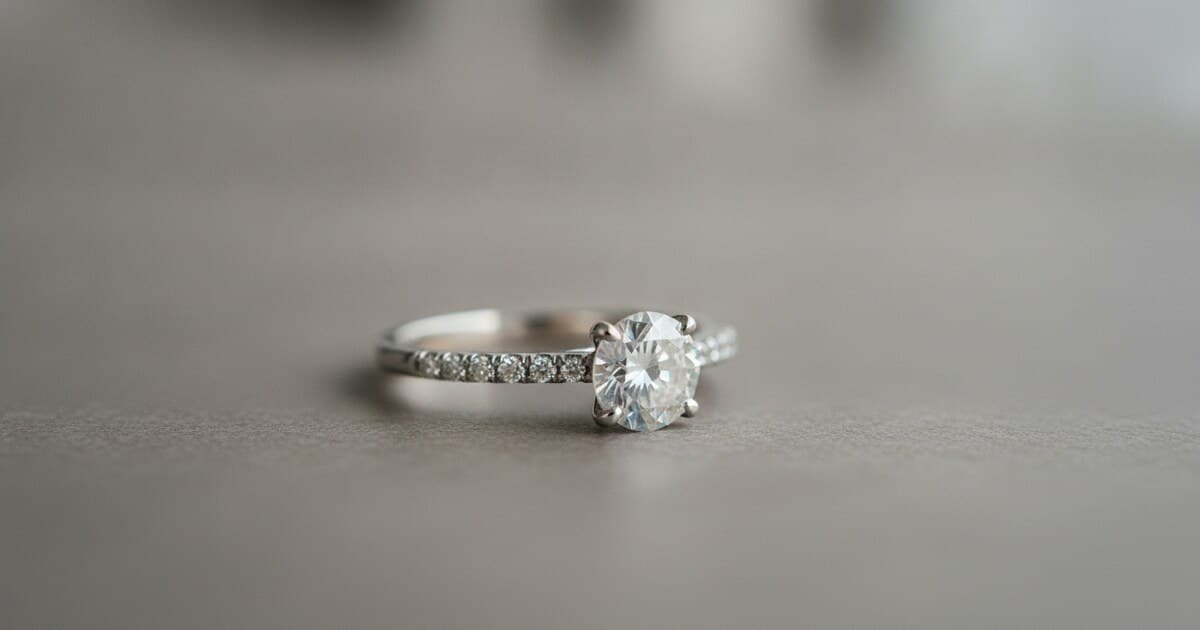
White gold is one of the most popular metals for engagement rings and fine jewelry. But over time, that bright white finish starts to yellow. Many people assume their ring is tarnishing or somehow losing its purity. What's actually happening is more specific than that, and it's completely fixable.
White gold doesn't tarnish the way silver does. The whiteness comes from a thin rhodium coating over a gold-alloy base. When that coating wears off, the slightly yellowish alloy underneath becomes visible. A jeweler can replate it in under an hour for $40-$80, restoring the original finish completely.
What White Gold Is Actually Made Of
Pure gold is 24 karats: 99.9% gold, deep yellow in color, and too soft for most jewelry. To make it wearable, jewelers alloy it with harder metals.
White gold is made by mixing gold with whitening metals, typically nickel or palladium, plus smaller amounts of zinc or silver. The resulting alloy is harder and more scratch-resistant than pure gold, but it comes out a slightly warm, off-white color rather than a pure white.
To achieve that bright, mirror-like white finish, the finished piece gets dipped in rhodium. Rhodium is a platinum-group metal with the highest natural reflectivity of any element. It's electroplated onto the surface in a layer roughly 0.75 to 1.5 microns thick, about 100 times thinner than a human hair.
Most white gold jewelry sold in the US and UK is 14K (58.3% gold) or 18K (75% gold). Nickel-alloyed white gold tends to look more yellowish underneath the plating; palladium-alloyed white gold is naturally closer to white and can sometimes be worn unplated.
Does White Gold Actually Tarnish?
Silver tarnishes through a chemical reaction: sulfur compounds in the air react with the surface, forming a dark sulfide layer. Gold doesn't do that. Even in alloy form, gold is chemically stable and won't tarnish in the same way.
What people call "tarnishing" on white gold is something different. The rhodium plating slowly wears down through friction and contact. As the plating thins, the underlying alloy starts showing through, giving a yellowish or grayish tint. The metal itself is chemically unchanged; only the surface coating has worn away.
If you notice dark spots or patchy discoloration rather than uniform yellowing, that's usually dirt or product buildup in crevices. Body oils, lotion, and soap residue accumulate in prong settings and along the ring's underside. That wipes off at home with soap and a soft toothbrush. Uniform yellowing across the band, especially visible under the ring where it contacts your finger, points to plating wear.
How Long Does Rhodium Plating Last?
Rhodium rates around 6.0 on the Mohs hardness scale, harder than most metals used in jewelry. But its durability depends on thickness, and at 0.75-1.5 microns, there's only so much material to wear through.
Lifespan varies based on where on the piece and how you wear it. The underside of a ring shank takes constant abuse: rubbing against surfaces while you type, drive, or handle objects. That area can show yellowing within 6-12 months of daily wear. The top and sides of the ring face less friction and typically last 2-3 years before replating is worth considering. Pendants and earrings, with minimal contact friction, can hold their plating for 3-5 years.
Rhodium plating on white gold jewelry typically lasts 1-3 years on pieces worn daily, with the underside of ring shanks showing wear first due to constant contact friction. The plating runs 0.75-1.5 microns thick (roughly 100 times thinner than a human hair), applied via electroplating from a rhodium sulfate solution. Rhodium belongs to the platinum-group metals alongside platinum and palladium, with the highest natural reflectivity of any element at approximately 80% in the visible spectrum. Daily friction removes roughly 0.01-0.1 microns per month depending on activity level. Chlorinated pool water accelerates thinning, as hypochlorous acid reacts with precious metals even at low concentrations. Regular swimmers can see visible plating wear in 6-12 months rather than the typical 2-3 years. Professional replating costs $40-$80 and takes 30-60 minutes: ultrasonic cleaning, a light polish, then a fresh electroplated rhodium layer. Some chain jewelers include one complimentary replating with ring purchase.
What Speeds Up the Yellowing
Knowing what wears down the plating helps you decide when to take rings off and how often you'll need maintenance.
Chlorine is the biggest accelerant. Pool water and hot tubs both attack the rhodium layer. Even brief exposure over many sessions adds up. If you swim regularly, take rings off before getting in.
Hand sanitizer became a bigger issue after 2020 when alcohol-based sanitizers became ubiquitous. Isopropyl alcohol strips plating faster than normal hand washing. Let sanitizer dry completely before putting rings back on.
Lotions, sunscreen, and hand cream coat the rhodium in a film that traps particles and causes microscopic abrasion with movement. Using these products is fine, but rinse your ring in warm soapy water every couple of weeks to clear the buildup.
Abrasive cleaning products, including toothpaste, baking soda scrubs, and silver polish, strip rhodium quickly. Don't use any of these on white gold. Sweat chemistry also matters: people with more acidic perspiration tend to see faster plating wear, which is why two people wearing identical rings can have very different replating schedules.
How to Clean White Gold at Home
Routine cleaning removes the grime that dulls the surface and slows the appearance of yellowing.
Add a few drops of mild dish soap to a bowl of warm (not hot) water. Soak the piece for 2-3 minutes, then gently scrub with a soft-bristled toothbrush, paying attention to the underside of the band and the area around any stone settings. Rinse thoroughly under warm running water and dry with a soft, lint-free cloth.
Don't use ultrasonic cleaners frequently. They're fine occasionally but can loosen prong settings over repeated use, especially in pavé rings. Stick to the soap-and-brush method for weekly maintenance.
Avoid these on white gold:
- Silver polish or anti-tarnish sprays
- Baking soda or abrasive scrubs
- Bleach, ammonia, or acetone
- Very hot water (can stress prong settings over time)
For a full breakdown of cleaning methods based on your specific metal and stone type, our jewelry cleaning guide covers every major combination.
When to Get White Gold Replated
The most obvious sign is uniform yellowing, particularly on the ring's underside. You don't need to wait until the piece looks heavily discolored; catching it early makes the replating job cleaner since there's less accumulated wear to address.
Most jewelry stores offer rhodium replating as a standard service. The jeweler cleans the piece ultrasonically first, polishes any visible surface scratches, then electroplates a fresh rhodium layer. The whole process takes 30-60 minutes, or you can leave it overnight. Cost: $40-$80 at an independent jeweler. Chain stores (Kay, Zales, Jared) often include one or more free replatings with ring purchase, so check your paperwork before paying elsewhere.
Ask for a light polish before replating if you notice any scratches. Rhodium plating doesn't fill in scratches, so polishing first gives you a cleaner result. For rings worn daily: plan for replating roughly once a year. Pendants and earrings: every 2-3 years.
White Gold vs Platinum: The Maintenance Difference
The most common comparison question is whether platinum is worth the higher price to avoid replating. For a full breakdown of how white gold compares across the gold family, our rose gold vs yellow gold vs white gold guide covers composition, pricing, and durability differences in detail.
Platinum is naturally white and never needs rhodium plating. Over time it develops a soft matte patina called a "brushed" finish, which many people prefer. It doesn't yellow. But platinum is denser and typically costs 2-3x more per gram than 14K white gold.
White gold starts considerably cheaper and looks identical to platinum at purchase (both are rhodium-finished at that point). The ongoing cost is the replating, but $40-$80 every 1-2 years is modest compared to the price difference upfront. Most people who can't tell their white metal apart by sight are looking at rhodium-plated surfaces in both cases.
If you're trying to tell white gold from silver, that's a different question with different hallmarks and tests. Our silver vs white gold guide covers the composition, stamp differences, and how to distinguish them at home.
Frequently Asked Questions
Does white gold fade or just turn yellow?
White gold turns yellow rather than fades. The rhodium plating that gives it a bright white finish wears off over time, revealing the slightly yellowish gold alloy underneath. Clean it at home with mild soap and water, then take it to a jeweler for replating when the yellowing becomes noticeable.
Can I shower with my white gold chain?
Occasional showers are fine, but daily showering accelerates rhodium wear. Hot water combined with shampoo and conditioner strips the plating faster than normal use. If you swim in chlorinated pools, take the chain off before getting in. Chlorine attacks the rhodium layer and can cut its lifespan from 2-3 years down to under 12 months.
How long does rhodium plating last on white gold?
On a ring, the shank's underside typically shows wear within 6-12 months because of constant friction against surfaces. The top of the ring lasts longer. Pendants and earrings with minimal contact can hold their plating for 3-5 years. Plan for professional replating every 1-2 years for rings worn daily.
How much does it cost to replate white gold?
Most jewelers charge $40-$80 to rhodium-replate a ring. Some chain jewelers include one free replating with purchase. The process takes 30-60 minutes or you can leave the ring overnight. Replating restores the original white finish in a single visit.
Is there white gold that doesn't need rhodium plating?
Yes. Palladium-alloyed white gold is naturally whiter than nickel-alloyed white gold and can sometimes be worn without rhodium plating. It's still slightly off-white compared to a rhodium-finished piece. Most white gold jewelry sold in the US and UK is rhodium-plated regardless of the alloy type used.
If you're not sure what metal your piece is made of, or want to know whether it's palladium-based or nickel-based white gold, try a free jewelry appraisal at jewelryappraisals.app. Your first appraisal is free.