 Jewelry Identifier
Silver vs White Gold: Key Differences Explained
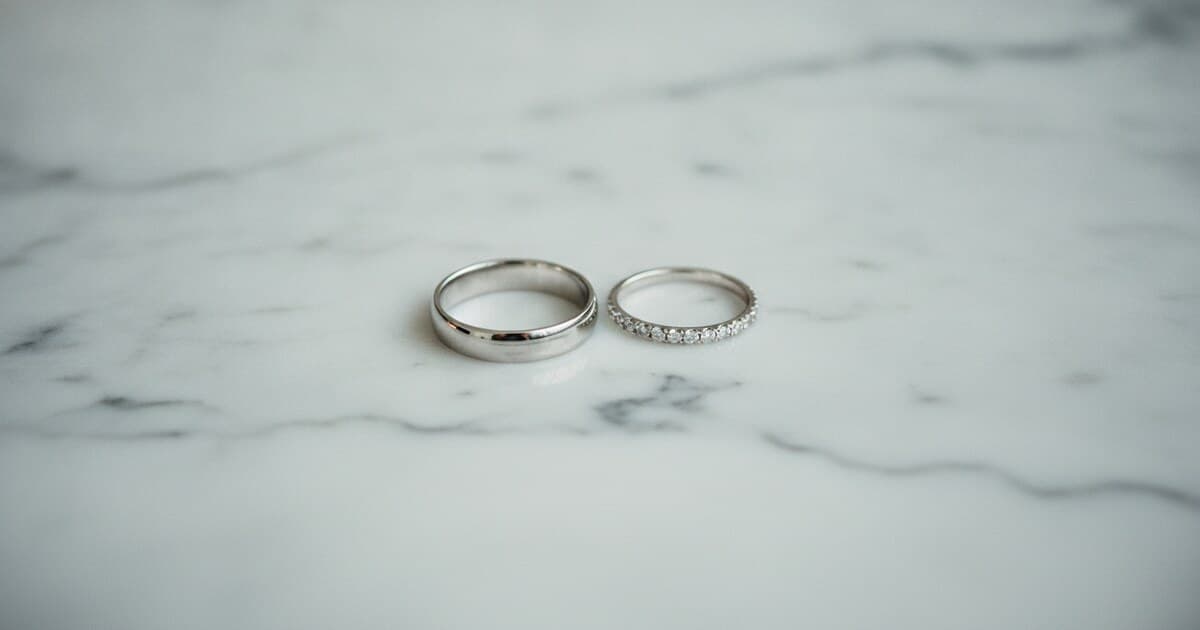
Silver and white gold look nearly identical in a jewelry display case. Both have that bright, cool-toned shimmer that pairs well with diamonds, colored stones, or everyday wear. But the silver versus white gold difference matters whether you're buying, selling, or trying to figure out what a piece you already own is made of.
These two metals have different chemical compositions, different durability profiles, and price gaps that range from $30 to several thousand dollars for equivalent-looking pieces. Getting them mixed up means overpaying for something, undervaluing an heirloom, or choosing a ring that won't hold up to daily wear.
Here's how they actually compare.
Silver is an affordable, naturally white metal sold as sterling silver (92.5% silver, 7.5% copper). White gold is yellow gold alloyed with white metals and then coated in rhodium to create a bright white finish. White gold costs significantly more, wears better for daily use, and doesn't tarnish, but its rhodium plating needs renewing every one to three years.
What Silver and White Gold Are Made Of
Sterling silver is an alloy of 92.5% silver and 7.5% copper, which is why most sterling pieces carry a "925" stamp. Pure silver (99.9%) is too soft for jewelry on its own, so copper is mixed in to harden it. That copper content explains why silver tarnishes: copper reacts with oxygen and sulfur in the air, forming a dark compound called silver sulfide on the surface.
White gold starts as yellow gold alloyed with white metals (typically palladium, nickel, or zinc) to mute the yellow color. The piece is then coated in rhodium, a platinum-group metal, to produce that crisp, bright-white finish. Gold purity is measured in karats: 14K white gold contains 58.3% pure gold, while 18K contains 75%.
The rhodium layer carries most of the visual work. Underneath it, white gold has a slightly yellowish-cream tone from the gold content. That matters once the plating starts thinning from wear.
One practical note on alloys: nickel-based white gold is harder and cheaper to produce, but nickel triggers skin reactions in roughly 10 to 15% of people. Palladium-based white gold costs more but is hypoallergenic. The hallmark on a piece won't tell you which alloy was used, so it's worth checking with the jeweler before buying if you have a sensitivity.
How Silver and White Gold Look Different
Fresh off a jeweler's bench, both metals can look nearly the same. The difference shows up once you look closely or wear the piece for a while.
Rhodium-plated white gold has a brighter, more mirror-like surface. It reads as icy-white, which is why it's often compared to platinum in appearance. The high-gloss finish is harder and more reflective than natural silver.
Sterling silver has a cooler, slightly grayer tone and a softer luster. Polish a silver piece and it looks excellent. Leave it for a few months and it develops a visible patina, or starts graying from tarnish.
After extended wear, the gap becomes obvious. Silver tarnishes and picks up a dull coating without regular polishing. White gold loses its rhodium plating gradually, revealing a warmer, creamier base metal underneath. Both changes are reversible: silver cleans up with a polishing cloth, and white gold gets replated by a jeweler.
If you're deciding between all three gold color types, Rose Gold vs Yellow Gold vs White Gold covers the full comparison of how each gold alloy is made and where each metal performs best.
Durability: Which Metal Holds Up Better
White gold is the more durable choice for everyday wear, and the difference is meaningful for rings and bracelets.
Sterling silver sits at 2.5 on the Mohs hardness scale. Gold alloys land at 2.5 to 3. They're close, but the rhodium coating on white gold changes the equation: rhodium scores 6 to 7 on the Mohs scale, adding real scratch resistance that bare silver doesn't have.
For rings and bracelets that take daily contact against hard surfaces, silver scratches and dents relatively quickly. For earrings or necklaces worn occasionally, silver performs well and the lack of rhodium doesn't matter much.
White gold's main maintenance issue is rhodium wear. The coating gradually thins from friction, especially on ring shanks. Most jewelers recommend replating every one to two years for rings worn daily, or every two to three years for pendants and earrings. A rhodium replating service runs $40 to $80 at a local jeweler.
Silver's main enemy is tarnish. It doesn't affect structural integrity, but it dims the finish. A good silver polishing cloth removes it in minutes and costs a few dollars.
Price: What You'll Pay for Each
Silver is one of the most affordable precious metals available for jewelry.
A simple sterling silver band runs $20 to $60. More complex pieces with stones, like necklaces, earrings, or bracelets, typically range from $40 to $300 at retail. Silver spot prices as of late 2026 sit around $60 per troy ounce, so 30 grams of sterling (a substantial necklace) has a raw melt value of roughly $54.
White gold pricing reflects its gold content. A plain 14K white gold band starts around $300 to $600. Add a center diamond and the price climbs to $1,500 to $5,000 or more depending on stone size and cut. Gold trades around $4,030 per troy ounce as of late 2026, and that's before fabrication, design, or retail markup.
The ongoing maintenance costs differ too. Silver needs regular polishing (a polishing cloth costs a few dollars and lasts months). White gold needs rhodium replating every year or two at $40 to $80 per visit. Over a decade, both add up to a similar amount of time and money, just spent differently.
How to Tell Silver from White Gold at Home
The most reliable method is checking the hallmark.
Look for a small engraved stamp on the inside of a ring shank, near a necklace clasp, or on the back of an earring post. Sterling silver is stamped "925," "STER," or "STERLING." White gold is marked with its karat: "10K," "14K," or "18K," or European equivalents like "585" for 14K and "750" for 18K. Platinum, which looks identical to both, is stamped "PLAT," "PT950," or "950."
If the stamp is worn away or too small to read clearly, a few physical tests help sort it out.
Tarnish test: Silver tarnishes to a dull gray over time from exposure to air. White gold stays bright. If a piece has a dark, matte coating where it contacts skin, it's almost certainly sterling silver or silver plate.
Weight test: Gold is significantly denser than silver (19.3 g/cm³ vs 10.5 g/cm³ for the pure metals). A 14K white gold ring feels noticeably heavier than a same-size sterling silver ring.
Magnet test: Neither silver nor gold is magnetic. If a white-metal piece sticks to a magnet, it's base metal with plating, not precious metal.
For stamps that are worn or in an unfamiliar format, the Jewelry Stamps and Hallmarks guide covers every common marking system, including British date letters, French guarantee marks, and karat vs. millesimal fineness stamps. The free Hallmark Reader tool at jewelryappraisals.app can also identify hallmark formats from a photo.
For a deeper guide on testing sterling silver specifically, including the ice test, acid test, and magnet check, How to Tell if Silver Is Real covers each method with what to look for.
When to Choose Silver and When to Choose White Gold
The choice comes down to how the piece will be worn and what it'll be used for.
Choose white gold for:
- Engagement rings, wedding bands, and daily-wear rings where durability and scratch resistance matter
- Pieces set with diamonds or expensive gemstones (the investment justifies a harder setting)
- Fine jewelry intended to last decades and potentially be resized or reset
- Anyone who wants a platinum-like finish at a lower price point
Choose sterling silver for:
- Fashion jewelry and trend-driven pieces you might replace in a few years
- Earrings, necklaces, and items with limited surface contact
- Building a larger collection on a budget
- Event or occasional wear where tarnish between wearings is manageable
One note if nickel allergy is a factor: before buying white gold for someone with sensitive skin, confirm whether the piece uses nickel-based or palladium-based alloys. The jeweler or manufacturer should know which alloy family was used.
How Jewelry Identifier Helps
If you have a piece and aren't sure which metal you're looking at, Jewelry Identifier can sort it out from a photo.
The app reads stamps and hallmarks from a close-up image, even worn or small ones that are hard to see without magnification. It identifies the metal type and purity from the stamp format. For pieces that lack any stamping (common on older imports and antique jewelry), the AI reads the visual properties and cross-references them against a database of known finishes, constructions, and jewelry types.
The web tool at jewelryappraisals.app generates detailed appraisal reports that include a full material breakdown: whether a piece is sterling silver, gold-plated, or solid white gold, along with a current estimated value based on metal spot prices and comparable sales data.
The Hallmark Reader and Quick Value Check are both free and available without signing up.
Frequently Asked Questions
Is silver cheaper than white gold? Yes, significantly. Sterling silver jewelry typically starts around $20 to $60 for simple pieces, while 14K white gold bands start at $300 to $600 and climb much higher with gemstones. The price difference comes directly from gold's value: gold trades around $4,030 per troy ounce as of late 2026, versus roughly $60 per ounce for silver.
Does white gold look the same as silver? They look very similar, especially when new. Rhodium-plated white gold has a slightly brighter, more mirror-like surface than sterling silver, which has a cooler, softer luster. Over time the gap grows: silver tarnishes to a gray patina, while white gold's rhodium gradually wears off and reveals a warmer, creamier base metal tone underneath.
How can you tell white gold from silver? Check the hallmark stamp. Sterling silver is marked "925" or "STER." White gold is marked "10K," "14K," "18K," or European equivalents like "585" or "750." If the stamp is gone, try the weight test (white gold is noticeably heavier for the same size) or wait to see whether the piece tarnishes (silver does; white gold doesn't).
Does white gold tarnish like silver? White gold doesn't tarnish the way silver does. Silver forms silver sulfide from exposure to air and moisture, creating a dark coating. White gold's rhodium plating prevents that reaction. What white gold does experience is gradual rhodium wear: the plating slowly thins and the warmer base-metal tone starts showing through. That's corrected with a replating service, not a polishing cloth.
Which is better for an engagement ring: silver or white gold? White gold is the standard choice for engagement rings because it handles daily wear much better than silver. The rhodium coating provides meaningful scratch resistance, and the gold content gives the setting long-term structural durability. Sterling silver scratches and deforms more easily under the constant friction of daily ring wear. For a lower-budget option with a similar appearance, some buyers look at 10K white gold as a middle ground.
Not sure which metal you're looking at? Upload a photo to Jewelry Identifier and get a full breakdown of what your piece is made of. Your first appraisal is free.