 Jewelry Identifier
Rose Gold vs Yellow Gold vs White Gold: Key Differences
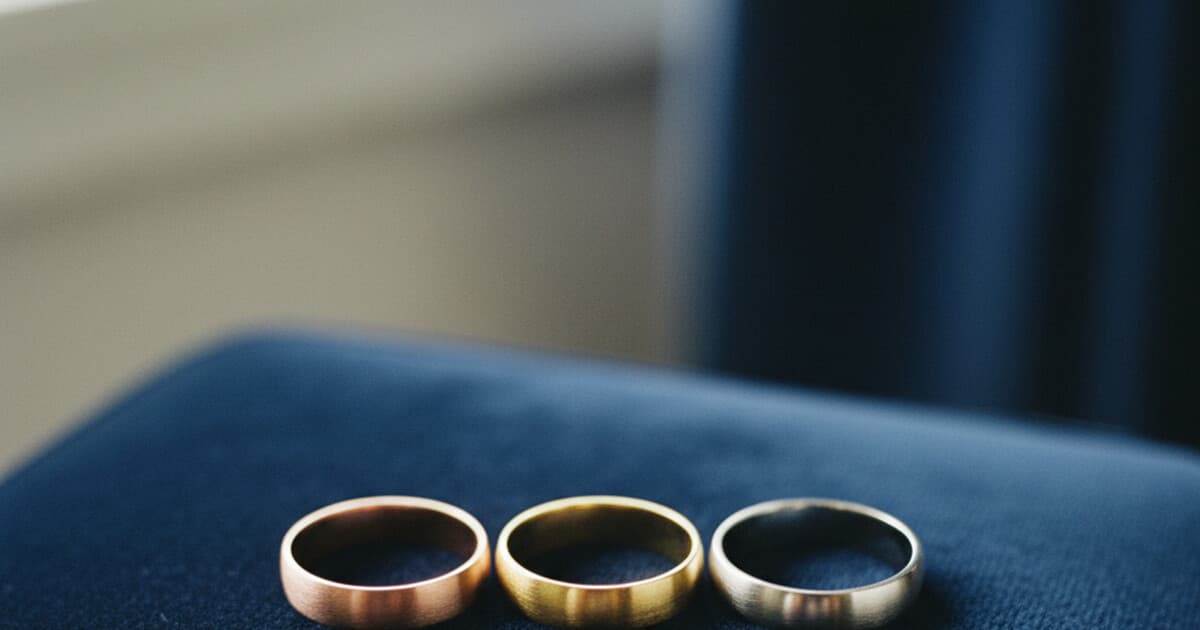
You picked up a gold ring at an estate sale and you're not sure if it's rose gold, white gold, or just plain yellow gold. Or you're shopping for a piece and the jeweler's offering you three color options at similar prices. Understanding the difference between rose gold vs yellow gold vs white gold helps you know what you're buying, how it'll wear over time, and what it's actually worth.
All three are real gold. The color tells you what the gold was mixed with.
Rose gold, yellow gold, and white gold get their colors from different alloys mixed with pure gold. Rose gold's pink tone comes from copper. Yellow gold uses silver and zinc, keeping gold's natural color. White gold mixes gold with nickel or palladium, then gets coated with rhodium for its bright finish. All three are available in 10k, 14k, and 18k.
What Makes Gold Different Colors
Pure gold is 24 karat. It's soft, deeply yellow, and not practical for everyday jewelry. To make it durable, jewelers mix it with other metals. The specific mix determines both the hardness and the final color.
Gold's three main jewelry colors come from the metals mixed with pure gold to create durable alloys. Pure gold (24 karat) is too soft for most jewelry, so jewelers combine it with other metals at specific ratios. Rose gold uses copper as its primary alloy, typically 25% copper at 18k, which contains 75% pure gold. This copper content makes rose gold harder and more scratch-resistant than the other colors. Yellow gold stays closest to gold's natural appearance by mixing it with silver and zinc, metals that don't significantly shift the color. White gold achieves its silver-white look by adding nickel or palladium, then applying a thin rhodium electroplating layer on the surface. The karat system measures gold content the same way regardless of color: 18k means 75% pure gold, 14k means 58.3%, and 10k means 41.7%. A 14k rose gold piece and a 14k yellow gold piece have identical gold content and melt value, despite their completely different appearances.
One thing that trips people up: karat measures gold content, not color quality. Two pieces at the same karat in different colors have the same percentage of actual gold. The color tells you what the rest of the metal is.
If you're trying to figure out what you have, look at the stamps. "585" means 14k gold. "750" means 18k. These tell you the gold content without any color-specific clue. Our guide to reading jewelry stamps and hallmarks walks through how to decode the marks on any piece.
Rose Gold: Warm Tone, Durability Baked In
Rose gold gets its pink-to-red hue from copper. At 18k, the typical mix is 75% gold and 25% copper. At 14k, there's slightly less gold (58.3%) and slightly more copper. A deeper rose color usually means more copper in the alloy.
Copper is a hard metal. That's why rose gold tends to be the most durable of the three colors. It's harder than yellow or white gold at the same karat, which matters most for rings and bracelets that take daily friction.
Rose gold doesn't need replating. The copper runs through the entire piece, not just the surface. When it scratches, the same warm color sits underneath.
Allergy considerations: Copper and gold are both generally hypoallergenic. Rose gold rarely causes skin reactions, making it a solid option for people who've had issues with other metals.
On value: An 18k rose gold piece has 75% pure gold, the same as any other 18k piece. The color doesn't change the base metal value. Gold buyers and scrap dealers pay for the gold content.
Yellow Gold vs Rose Gold vs White Gold: The Classic Choice
Yellow gold is the traditional color. The alloy mix (typically gold plus silver and zinc) keeps the warm yellow that's closest to pure gold's natural appearance. Higher karatages look richer and more saturated.
It's slightly softer than rose gold because silver and zinc aren't as hard as copper. Still, 14k and 18k yellow gold hold up well for most everyday jewelry.
Yellow gold is also the easiest to work with for jewelers. Engraving, resizing, and stone settings are all simpler compared to white gold, which needs rhodium replating after any significant repair work.
For resale, yellow gold is the most universally priced. Scrap buyers and pawn shops have been benchmarking yellow gold for decades, so you're less likely to get a low-ball offer from confusion about the color. Our full gold jewelry guide covers what to expect when you go to sell.
White Gold: The Bright Modern Look
White gold was developed in the early 20th century as a less expensive alternative to platinum. It achieves its silver-white look through two things: alloy metals (nickel, palladium, or silver) and a rhodium surface coating.
Without rhodium, white gold looks slightly grayish or pale yellow, not genuinely white. Rhodium is applied in a thin electroplating layer, giving white gold its distinctive bright finish.
That rhodium wears off. Depending on how much friction the piece takes, replating is typically needed every 1 to 3 years. Most jewelers charge $50-$150 for this service, and it restores the piece to its original look.
Allergy considerations: White gold with nickel alloys can cause reactions in people with nickel sensitivities, which affects about 17% of people. If this is a concern, ask specifically for nickel-free white gold, which uses palladium instead. It costs more upfront.
On appearance: White gold can look very similar to platinum. Our article on gold plated vs solid gold covers the differences and how to tell what you actually have when the stamp isn't clear.
Rose Gold vs Yellow Gold vs White Gold: Which Holds Value?
For melt value, all three colors are equal at the same karat. A 14k rose gold ring, a 14k yellow gold ring, and a 14k white gold ring all contain 58.3% pure gold. Scrap buyers pay for gold content. The alloy metals (copper, silver, zinc, nickel) add minimal value.
In the secondary jewelry market, color can push prices based on current demand. White gold has carried a slight premium in recent years because it resembles platinum. Rose gold gets premiums on vintage-style and designer pieces where the aesthetic is specifically sought. Yellow gold is the universal benchmark for melt-value transactions.
For insurance appraisals, color doesn't factor in. Appraisers look at gold content (karat), total weight, and gemstones. The rhodium plating on white gold doesn't add to the appraised value.
One practical cost difference: white gold requires periodic replating at $50-$150 per service visit. That's an ongoing expense that yellow and rose gold don't have.
How Jewelry Identifier Helps You Know What You Have
If you've inherited a piece, bought secondhand, or picked something up at a flea market and can't tell what type of gold it is, the Jewelry Identifier app can sort it out quickly.
Take a photo with your phone. The AI reads the stamps and hallmarks and decodes what they mean. Marks like 585, 750, or 375 are automatically identified so you know the exact karat. The app covers gold, silver, platinum, and other precious metals, so you're not limited to one metal type.
It also generates estimated appraisal values. If you're deciding whether to sell, keep, or insure a piece, knowing the karat is the essential first step. The web tool at jewelryappraisals.app goes further with detailed PDF reports and comparable sales data from real transactions.
Your first appraisal is free. Try it now at jewelryappraisals.app.
Frequently Asked Questions
Is rose gold more expensive than yellow gold?
At the same karat, they're typically priced similarly. Copper (the main alloy in rose gold) and silver plus zinc (used in yellow gold) are all inexpensive metals. Price differences at the same karat usually come from the jeweler, brand, or design, not the gold color itself.
Does white gold tarnish?
White gold doesn't tarnish the way silver does. The gold alloy itself doesn't corrode. What you'll notice over time is the rhodium plating wearing through, which gives the piece a slightly yellowish tint. Replating at any jeweler fixes this for $50-$150.
Which gold color is best for sensitive skin?
Rose gold is generally the safest option. It's primarily gold and copper, both of which rarely cause reactions. White gold with nickel alloys can trigger nickel sensitivity in about 17% of people. If you know you're sensitive to nickel, choose rose or yellow gold, or ask for nickel-free white gold (palladium alloy).
Can you tell gold types apart just by color?
You can identify the color visually, but confirming the karat and metal type requires checking the stamps. The hallmarks tell you the gold content regardless of color. A "750" stamp means 18k gold whether the piece is rose, yellow, or white. An AI jewelry identification tool can read these marks from a photo if they're hard to see.
Does the gold color affect resale value?
At the same karat, resale value based on gold content is identical regardless of color. Scrap buyers pay for gold content. In the secondary market, color can affect what buyers are willing to pay based on current trends, but the difference is typically small compared to the impact of karat, weight, and any gemstones.
Not sure what you have? Snap a photo and get your free jewelry appraisal at jewelryappraisals.app. The AI reads the stamps, identifies the metal type, and gives you an estimated value in seconds.