 Jewelry Identifier
Jewelry Consignment: How It Works and What Stores Pay
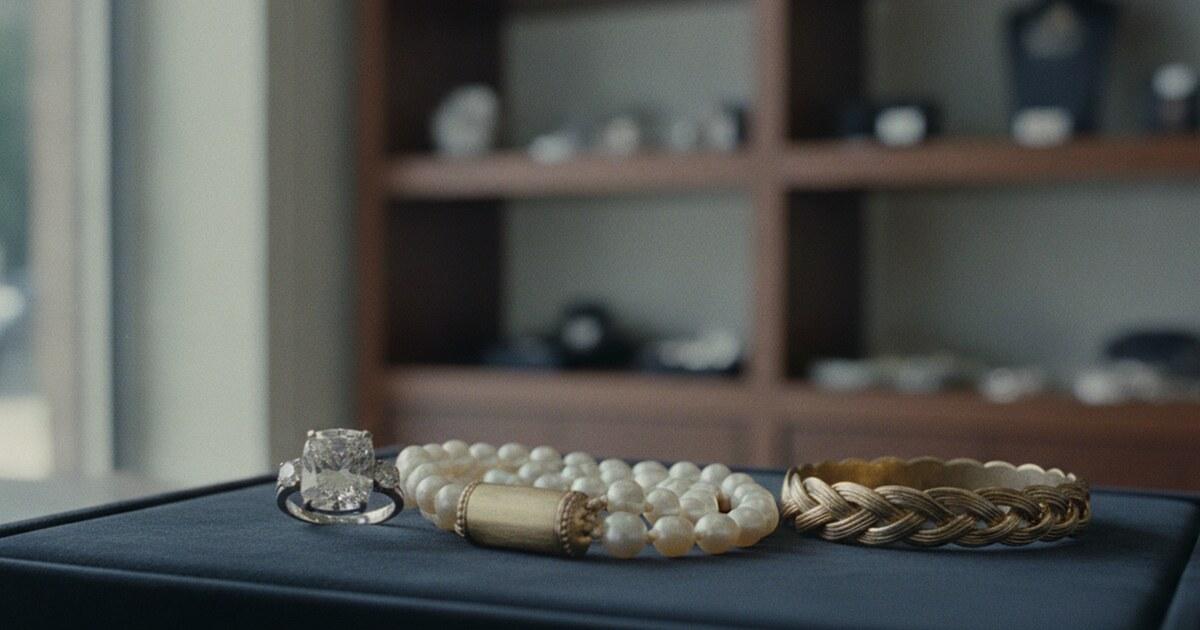
You hand over a diamond ring worth $2,000 and walk out with nothing — not until it sells. That's the core of jewelry consignment, and for the right piece, it's the highest-paying option available. For the wrong piece, it ties up your jewelry for months and pays out no better than a pawn shop. Knowing the difference starts with understanding exactly how consignment works and what shops take off the top.
Jewelry consignment is an arrangement where you leave your piece with a shop or online marketplace, they display and sell it on your behalf, and they take a percentage when it sells. You keep ownership until the sale closes. Standard commissions run 30-50% of the sale price, with the seller receiving the remaining 50-70%.
What Is Jewelry Consignment?
In a consignment arrangement, you're hiring the shop to find a buyer. You bring in the piece, agree on a listing price and commission rate, sign a consignment agreement, and the shop handles everything from display to customer negotiation. They earn nothing unless the piece sells.
That's the key difference from selling outright: consignment keeps you in the game longer. If a buyer never materializes, you get the piece back. The shop bears the carrying cost of holding inventory without guaranteed payment.
Consignment works best for pieces with collector appeal, designer markings, or gemstone value that goes well beyond scrap weight. A vintage Cartier brooch or a 1.5-carat diamond ring has secondary-market demand a consignment shop can tap. Plain 14K gold chains or broken settings rarely justify the wait.
How the Process Works
The sequence is consistent across most shops once you've found one that handles your jewelry type.
You start with an evaluation appointment. The shop examines the metal (gold, platinum, silver), any gemstones, the maker's marks, and overall condition. Some require a formal appraisal document. Others do in-house assessment and price from there. Either way, bring any paperwork you have: original receipts, prior appraisals, certificates for gemstones.
Next, you negotiate the listing price and the commission rate. Both go into a written consignment agreement that also specifies the consignment period (how long they'll hold the piece), what happens if it doesn't sell, and when you get paid after a sale. Never leave jewelry with a shop without a signed agreement.
Standard consignment periods run 60-90 days. High-value or unusual pieces sometimes carry 90-120 day windows because the buyer pool is smaller. After the window closes, most shops return the piece, though many offer to renegotiate the price or extend the term. When a buyer commits, the shop closes the sale, deducts their commission, and pays you, usually via check or bank transfer, within a few days to two weeks.
What Do Jewelry Stores Charge for Consignment?
Commission rates vary by shop type, item value, and sometimes the sale price tier.
For fine jewelry with designer provenance or significant gemstones (diamonds, rubies, emeralds, sapphires), shops typically charge 20-30% commission because these pieces sell faster and at higher prices, reducing the shop's cost per transaction. Mid-range fine jewelry in the $500-$5,000 range generally draws 30-40% commissions. Fashion and costume jewelry often carries 40-50% because it moves slower and needs more active marketing. Consignment periods run 60-90 days at most shops, with high-value specialists sometimes extending to 120 days. Online luxury consignment platforms tend to charge less than brick-and-mortar shops because their buyer reach is broader and their storage costs are lower. After the consignment window closes, unsold pieces are typically returned to the owner, though most shops offer to renegotiate the listing price or extend the agreement. Getting the commission percentage and payment timeline in writing before leaving the piece is the single most important step in protecting your interests as a consignor.
For high-value pieces, the math strongly favors consignment over outright sale. A diamond ring your local pawn shop offers $400 for might sell at a consignment boutique for $1,800. After a 40% commission ($720), you'd clear $1,080 versus $400. That's more than twice the payout for waiting 30-60 days. For estate jewelry with collector appeal, the gap is often even wider.
Consignment vs. Selling Outright
Outright selling means the shop buys your piece on the spot, usually at 20-50% of retail value. You get immediate cash. They take the risk that the piece doesn't sell.
Consignment flips that. You take the risk of waiting, but you keep ownership and receive a larger share when the piece sells. The right choice depends on three factors: how quickly you need cash, how rare or desirable the piece is, and whether the shop's buyer base matches your item type.
Estate and vintage jewelry with collector demand, branded pieces (Tiffany, Van Cleef, David Yurman), and high-quality diamond jewelry all perform better on consignment. Generic 14K scrap, broken chains, and plain bands rarely exceed immediate buyout offers. For gold jewelry with no collector premium, a dedicated gold dealer paying 70-80% of melt value is often cleaner than a 90-day consignment wait.
A full breakdown of which selling channel fits which piece type is at where to sell jewelry.
Know Your Piece's Value Before You Walk In
The biggest mistake consignors make is letting the shop set the price without any reference point. If you don't know what your piece is worth, you can't tell whether the listing price is realistic or whether the commission rate is fair.
A quick AI appraisal before your appointment gives you that reference point. The Jewelry Identifier web tool scans your photo, reads the stamps and hallmarks, identifies the gemstones and metal, and returns an estimated value range alongside comparable eBay sold listings. That data is what you bring into the negotiation.
If a shop lists your 1-carat diamond ring at $900 when comparables are selling at $1,600, your 50% share on their listing is $450. At the market price with the same commission, you'd take home $800. The appraisal data makes that gap visible before you sign anything.
Red Flags Worth Knowing
A few patterns in consignment shops indicate problems worth avoiding.
They won't put the agreement in writing. Walk away. A verbal consignment arrangement has no legal standing and no recourse if the piece is lost, stolen, or damaged in their care.
They won't quote the commission percentage upfront. Some shops use "competitive rates" language and reveal the actual number only after you've left the jewelry. That's negotiating with the wrong end of the information.
They offer no insurance coverage. Your piece should be covered against theft or damage while in their possession. Ask directly before signing, and get the coverage amount in the agreement.
They set a listing price far below comparable sold listings. Cross-reference eBay completed sales before the appointment. If their starting price runs 40% below market, your share might end up below what a buyout would have paid.
Frequently Asked Questions
What do jewelry stores usually charge for consignment?
Most shops charge 30-50% of the final sale price as commission, leaving the seller with 50-70%. High-value or designer pieces often attract lower rates, around 20-30%, because they sell faster. Fashion and costume jewelry typically carries the highest rates. Always confirm the percentage and payment timeline in writing before leaving the piece.
What is the 2:1:1 rule in jewelry?
The 2:1:1 rule is a styling guideline for wearing multiple pieces together: 2 pieces in one metal or style, 1 contrasting piece, and 1 accent item. It's about achieving visual balance when layering jewelry. The rule has nothing to do with consignment splits or pricing, but it appears frequently in jewelry searches because people explore jewelry topics together.
What is the best way to sell unwanted jewelry?
For pieces with gemstone, designer, or collector value, consignment or auction returns the most. For plain gold jewelry, selling to a dedicated gold dealer or online buyer gets you 70-80% of melt value with minimal waiting. Pawn shops pay the least across all categories. The best channel depends on what your piece is worth beyond its scrap metal content.
How long does jewelry consignment take?
Most shops hold pieces for 60-90 days. High-value or unusual pieces sometimes take longer to find the right buyer. If the piece doesn't sell within the agreed window, you get it back and can renegotiate the price or try a different channel.
Before consigning any piece, check what it's actually worth. Try the free jewelry appraisal tool at Jewelry Identifier — scan a photo, read the stamps, and get an estimated value with comparable sales data in seconds. Your first appraisal is free.