 Jewelry Identifier
How to Sell Estate Jewelry: Get What It's Actually Worth
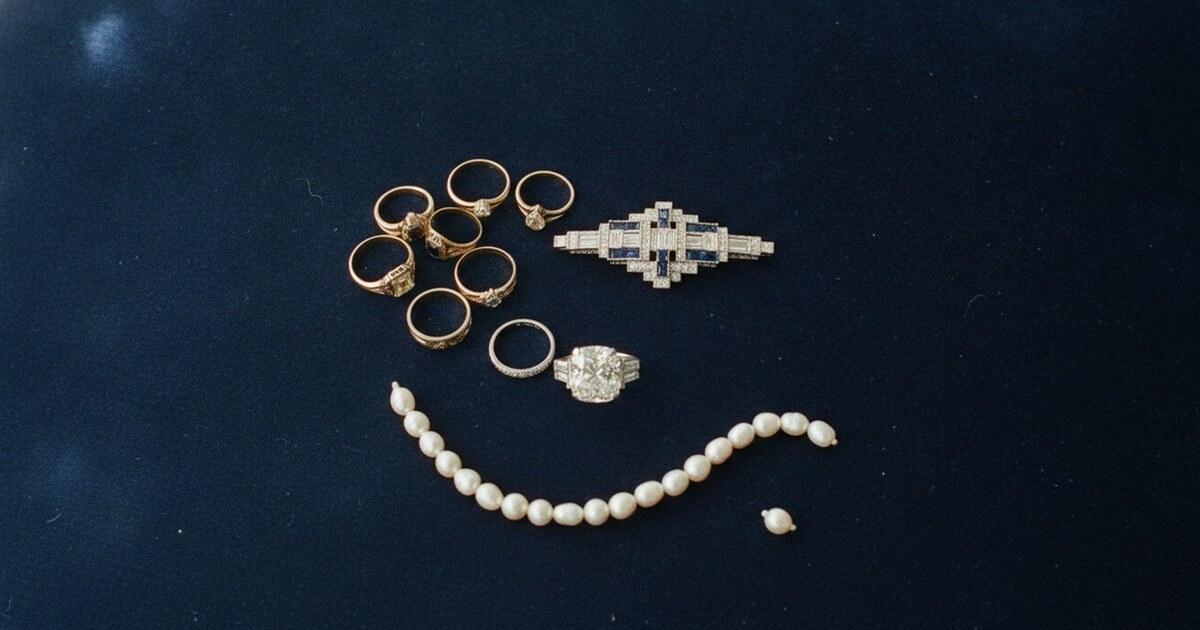
Clearing out a loved one's jewelry box is one of those tasks that feels equal parts overwhelming and uncertain. You're holding pieces that might be worth $50 or $5,000, and without knowing what you're looking at, you're walking into every buyer conversation at a disadvantage. The sellers who do well at this all start the same way: they figure out what they have before they talk to anyone.
Estate jewelry typically sells for 30% to 60% of its retail value, depending on where you sell it. Local dealers are fastest but pay the least. Online marketplaces get closer to market value but require more work. Auction houses suit pieces worth $1,000 or more. Knowing your metal, gemstones, and hallmarks before negotiating is the biggest lever on price.
What Counts as Estate Jewelry
The term covers any previously owned jewelry, regardless of age. That includes pieces inherited from a relative, items from your own past, and jewelry bought at estate sales or antique shops.
Dealers break pieces down by era:
- Antique: 100+ years old (pre-1920s). Victorian, Edwardian, and Georgian pieces fall here.
- Vintage: 20 to 100 years old. Art Deco (1920s-1940s), Retro (1940s-1950s), and Mid-Century Modern (1950s-1970s).
- Modern estate: less than 20 years old but previously owned.
Era affects value significantly. Antique pieces from desirable periods, Art Deco especially, carry a collector premium. A well-preserved Art Deco platinum and diamond ring can fetch two to five times what a similar modern piece would.
The US estate jewelry market generates roughly $3 billion in annual sales, with antique and vintage pieces accounting for an estimated 60% of that volume. Demand has grown over the past decade as collectors seek unique pieces and sustainability-minded buyers choose pre-owned over new. Fine estate jewelry (pieces with certified gemstones, hallmarked precious metals, or documented designer provenance) commands the strongest premiums, particularly at auction houses where the right buyer pool can push prices well beyond any local estimate. Signed pieces (Cartier, Tiffany, Van Cleef & Arpels), Art Deco platinum designs, and Victorian gold jewelry with intact enamel are the strongest performers. Mid-range pieces (10K to 18K gold with smaller stones) move fastest through local dealers and online marketplaces. Costume jewelry and gold-filled pieces rarely justify the effort of auction or specialty buyers; they're better sold in bulk through estate liquidators at $5 to $50 per piece.
Know What You Have Before You Sell Estate Jewelry
This is the step most people skip, and it costs them. Walking in without knowing your metal type, stone identity, or approximate value hands every bit of negotiating leverage to the buyer.
Start with a visual inspection at home. Hallmarks and stamps are the fastest way to identify metal content. Look for small stamped numbers on clasps, inside ring bands, or on pendant bails:
- 750 = 18K gold (75% pure gold)
- 585 = 14K gold (58.5% pure gold)
- 925 = sterling silver
- PT950 / PLAT = platinum
- GF or 1/20 = gold-filled (not solid gold)
Stamps are small and often hard to read without magnification. A jeweler's loupe works well. So does Jewelry Identifier: take a photo of the stamp and the AI reads it immediately, telling you the metal type and what the hallmark means.
For gemstones, check for color saturation, clarity in light, and any certification paperwork. A GIA-certified stone sells far more easily than an unpapered one, and usually at a higher price. For quick identification before you meet any buyer, an AI scan gives you a stone type, characteristic estimates, and a rough value range from a single photo.
This prep work takes about 30 minutes and can add hundreds of dollars to your negotiating position. A seller who can say "this is 18K gold with a GIA-certified 0.75-carat emerald-cut diamond, comparable pieces sold on eBay for $1,200-$1,800 last month" is in a completely different negotiation than one who says "I think it's real gold." Buyers know the difference immediately.
Where to Sell Estate Jewelry
Different channels suit different pieces and different priorities.
Local estate buyers and jewelry dealers are the fastest option. They offer same-day cash and handle the transaction end to end. The tradeoff: they typically pay 30% to 50% of their eventual resale price. On a piece worth $1,000 at retail, expect $300 to $500. On anything above $3,000, that gap becomes substantial.
Good local buyers include estate jewelry specialists, fine jewelers with buying programs, and established gold-and-diamond dealers. Avoid mall kiosks, cash-for-gold mail-in services, and pop-up hotel buying events. These pay the lowest rates because they can't be compared or negotiated with easily.
Online marketplaces can get you 50% to 70% of retail but require more time. eBay's sold listings are the most reliable price benchmark: search your piece, filter by "sold," and you'll see what buyers actually paid in the last 90 days. The eBay Price Checker inside Jewelry Identifier pulls those comparables directly, without digging through hundreds of listings. Etsy works well for vintage pieces with visual appeal. 1stDibs and Ruby Lane serve high-end antique jewelry with strong provenance. For modern estate pieces, eBay and Facebook Marketplace are more straightforward.
Auction houses make sense for pieces worth $1,000 or more. They reach the widest pool of serious buyers and can achieve prices that local dealers can't touch, especially for designer pieces and stones over 1 carat. Major houses (Christie's, Sotheby's) take 15% to 25% seller's commission. Regional auction houses charge 10% to 20%. On a $2,000 ring, that's a real fee, but the right auction room can push a qualified piece well past its retail value.
Pawn shops pay 10% to 25% of retail. They're a reasonable last option when speed is the priority and value isn't.
For a full breakdown of each selling channel, see the guide to where to sell jewelry.
How to Get the Most From Your Sale
Preparation is the entire game.
Get a professional appraisal for high-value pieces. For anything you believe is worth $500 or more, a certified appraisal from an ASA- or GIA-trained appraiser costs $50 to $150 and pays for itself in negotiations. Ask for a fair market appraisal (what a buyer would actually pay) rather than an insurance appraisal (replacement value, which is higher and not useful when selling). For more on the appraisal process, the estate jewelry appraisal guide covers what to expect and how to find a qualified appraiser.
If you're unsure whether a piece warrants a formal appraisal, start with a free AI estimate at Jewelry Identifier. Take a clear photo and you'll get a value range based on comparable sales data. It won't replace a certified appraisal for high-value pieces, but it tells you whether one is worth getting. Your first appraisal is free, no app download required.
Gather documentation. Original receipts, prior appraisals, and gemstone certificates add credibility and usually lift the offer. For antique and designer pieces, documented provenance can increase value substantially. Original boxes are nice but don't move the number much.
Clean the piece gently. Mild dish soap and a soft cloth work for most gold and diamond jewelry. Skip the ultrasonic cleaner for pearls, opals, emeralds, turquoise, and enamel pieces. The vibration can loosen settings and damage sensitive stones. Light cleaning helps you read hallmarks and shows the piece at its best.
Get at least two or three offers. For local buyers especially, offers on the same piece vary more than you'd expect. Getting a few quotes takes an extra afternoon and can easily mean $100 to $300 more in your pocket.
For gold pieces specifically, the guide to selling gold jewelry covers melt value calculations and how to compare buyer offers.
Frequently Asked Questions
What's the difference between estate jewelry and antique jewelry?
Estate jewelry is any previously owned piece, regardless of age. Antique jewelry is a subset: pieces at least 100 years old. All antique jewelry qualifies as estate jewelry, but modern estate pieces (previously owned, under 20 years old) are not antique. The word "estate" just signals it came from someone's collection.
How do I know if estate jewelry is worth selling?
A piece is worth your effort if it contains gold at 10K or higher, a diamond over 0.25 carats, a certified gemstone, or a recognized designer name. The eBay sold-listings test takes five minutes: search your piece and filter by sold. If comparable pieces consistently sell under $50, the time and effort usually don't justify a specialty buyer.
Should I clean estate jewelry before selling?
A light cleaning with mild soap and a soft cloth is fine for gold and diamond pieces. Avoid ultrasonic cleaners with pearls, opals, emeralds, turquoise, and enamel items. The vibration can loosen settings or crack the material. Reputable buyers will clean pieces anyway; your goal is just to show the piece clearly enough that you can read hallmarks and assess condition.
Do original papers and certificates matter when selling?
Yes, for the right pieces. A GIA or AGS gemstone certificate meaningfully increases a stone's marketability and usually adds to the offer. Prior appraisals and original receipts help for fine jewelry. For everyday gold pieces without notable stones, documentation matters less; buyers assess metal content and condition directly.
What type of estate jewelry sells best?
Art Deco and Victorian pieces in good condition command strong premiums from collectors. Mid-century modern gold pieces (1950s-1970s) have appreciated significantly in recent years as that aesthetic has come back in fashion. Designer pieces (Cartier, Tiffany, Bulgari) sell well regardless of era. Diamonds in GIA-certified settings and platinum pieces also hold value well. Plain 10K gold without stones or distinctive design sells near melt value.
If you're sorting through estate jewelry and want to know what you have before you talk to any buyer, Jewelry Identifier can read hallmarks, identify gemstones, and give you an instant value estimate from a single photo. Your first appraisal is free.