 Jewelry Identifier
Pink Gold: What It Is, How It Differs from Rose Gold
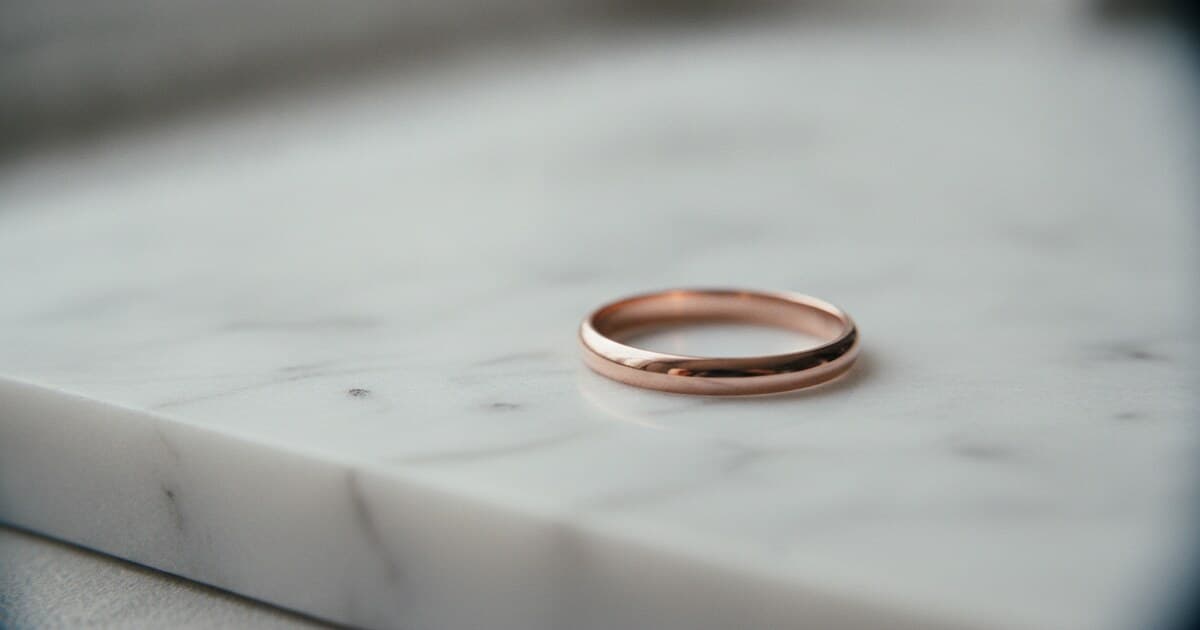
Pink gold shows up on jewelry tags, store displays, and auction listings, but the name doesn't always mean the same thing. Jewelers use "pink gold," "rose gold," and "red gold" almost interchangeably, even though they describe slightly different alloys with noticeably different appearances. If you've ever held a piece and wondered what makes it pink, the answer is in the composition.
Pink gold is a real gold alloy made by mixing pure gold with copper and silver. The copper creates the warm, rosy color; silver softens it toward a lighter blush. Most pink gold jewelry is 14K or 18K, containing 58.3% or 75% pure gold. The remaining metal is copper and silver in varying ratios.
What Is Pink Gold and How Is It Made?
Pure gold is 24 karats: soft, bright yellow, and too malleable for everyday wear. Jewelers have mixed it with other metals for centuries, producing alloys that are harder, more durable, and visually distinct.
Pink gold gets its color from copper and silver added to pure gold. The copper shifts the color warm and reddish; the silver cools it back toward pink. Change the ratio of those two ingredients and you shift the color across a spectrum from pale blush to deep rose to coppery red.
The European jewelry trade uses a standardized color grading system for this spectrum. Each grade represents a color step:
- 2N (pale yellow): 10% copper, 15% silver
- 3N (warm yellow): 12% copper, 13% silver
- 4N (rosé/pink gold): 16% copper, 9% silver
- 5N (red gold): 21% copper, 4% silver
In an 18K alloy, the gold content is fixed at 75% by weight. The remaining 25% is where the color comes from.
Pink gold gets its color from the precise ratio of copper to silver in its alloy. At 18 karats, every pink gold piece contains exactly 75% pure gold by weight, marked 750 in millesimal fineness. The remaining 25% is split between copper and silver, and that split determines the color. A 4N alloy uses about 16% copper and 9% silver, producing the familiar warm blush pink. A 5N alloy increases copper to 21% and drops silver to 4%, creating a deeper, reddish tone. More copper means warmer and deeper color. More silver means lighter, cooler pink. Pure gold's melt value at $4,030 per troy ounce translates to roughly $97 per gram for 18K gold regardless of color; the copper and silver content adds negligible weight value. This means pink, rose, yellow, and white 18K gold pieces carry essentially the same melt price per gram.
Pink Gold vs Rose Gold: Are They the Same Thing?
Technically, they can be different. In most retail contexts, they're used as synonyms.
The strict definition places pink gold as a lighter, more silvery shade (the 4N range), while rose gold sits a step warmer and deeper. Red gold pushes further toward copper-orange territory. Those distinctions come from the industrial grading system. Jewelers and retailers rarely apply that system when naming finished pieces.
A Cartier "pink gold" bracelet and a Tiffany "rose gold" bracelet could use the exact same alloy. Two pieces both labeled "rose gold" by different brands might have noticeably different undertones. Some high-end watch and jewelry brands publish their exact alloy formulation. Rolex calls their proprietary 18K version "Everose" and adds a small amount of platinum for color stability. Cartier calls theirs "pink gold." Both sit in the 4N to 5N range.
Most mass-market jewelry simply says "rose gold" regardless of the exact copper-silver ratio.
The practical takeaway: the terms don't reliably indicate composition unless the brand publishes its alloy spec. What you can rely on is the karat stamp, which tells you the actual gold content, and the color, which tells you roughly where it falls on the pink-to-red spectrum.
If you want a side-by-side look at how the three gold colors compare in appearance, durability, and value, see our guide to rose gold vs yellow gold vs white gold.
Is Pink Gold Real Gold?
Yes. Pink gold contains the same percentage of pure gold as any other piece at the same karat.
An 18K pink gold ring has 75% pure gold by weight, exactly like an 18K yellow gold ring or an 18K white gold ring. A 14K piece has 58.3%. The karat number tells you the gold content; the color only tells you what the remaining alloy consists of.
The stamps to look for are identical to any other gold: 18K, 750, 14K, or 585. Pink gold carries the same hallmarks as yellow or white gold at the corresponding purity. An oval cartouche stamped 750 on a pink-toned piece confirms it's 18K gold with a warm alloy.
One edge case worth knowing: some pink-toned jewelry isn't solid gold at all. Gold-filled and gold-plated pieces can have a pink or rose finish over base metal. A pink-toned piece without a karat stamp, or with markings like GP, GF, or RGP, is not solid gold. The warm color comes from a surface layer, not the metal throughout.
This is where a loupe and some knowledge of hallmarks pay off. Plated pieces often show wear at high-friction points, with a lighter base metal peeking through at the clasp, prong tips, or inner ring band.
Is Pink Gold More Expensive Than Yellow Gold?
At the same karat, pink gold and yellow gold cost nearly the same. The gold content is identical, and copper and silver are both inexpensive metals. The gold is what carries the value.
A few situations where price differences do appear:
Specialist alloys: Some high-end brands use proprietary formulas with additional metals. Rolex's Everose adds platinum for color stability, which nudges the cost slightly higher than a standard 18K alloy.
Plating vs solid: Rose-gold-plated pieces look identical to solid pink gold initially but cost far less. They're also less durable. The color layer wears off at friction points over months to years of wear, depending on thickness.
Demand and fashion cycles: Pink and rose gold surged in popularity through the 2010s, which drove retail prices up temporarily. At the melt level, the value remained the same as other 18K gold. The premium was brand and trend, not metal composition.
If you're comparing a solid 18K pink gold bracelet to a solid 18K yellow gold bracelet of the same weight, they should fall within a few percent of each other in melt value. The bigger price drivers in pink gold jewelry are craftsmanship, brand, gemstones, and era, not the alloy color itself.
For a more detailed look at how silver and white gold compare in cost and composition, see our silver vs white gold guide.
How to Identify Pink Gold in a Piece You Own
Three things tell you whether a piece is genuine pink gold: the stamp, a visual check, and a simple at-home test.
Check the stamp. Genuine pink gold carries the same karat marks as yellow gold. Inside a ring shank, at the clasp of a bracelet, or on the back of a pendant, look for 18K, 750, 14K, or 585. European pieces may carry an assay mark alongside the fineness number. A pink piece stamped only with GP (gold plated), GF (gold filled), or RGP (rolled gold plate) is not solid gold.
Visual check. Solid pink gold has a consistent warm tone throughout the piece. Plated pieces often wear unevenly, with the color concentrated at the surface and a visibly different metal showing through at high-friction points: the inner band on rings, the barrel hinge on bracelets, or the tips of prongs on stone settings. If the color looks thinner at the edges, that's a sign of plating.
Magnet test. Real gold and gold alloys aren't magnetic. Hold a small magnet near the piece. A piece that pulls toward the magnet contains iron or steel in its core, which means it's plated over a ferrous base metal. This test catches most plated pieces quickly and costs nothing to do.
If the stamp is worn, small, or unfamiliar, a photo of the hallmark is often more useful than trying to interpret it with the naked eye.
How Jewelry Identifier Helps with Pink Gold Pieces
When a piece has unfamiliar stamps or you're not sure whether it's solid pink gold or plated, the Jewelry Identifier web tool can sort it out quickly.
Take a clear photo of the hallmark. The tool reads the mark and tells you what it means: the karat, the assay office (for British or European pieces), and what the alloy most likely contains. For a piece stamped 750 in an oval cartouche, it'll confirm 18K gold and flag the origin context.
The web appraisal dashboard at jewelryappraisals.app gives you an estimated value based on the visible details. For pink gold pieces, that includes the metal's melt value at current spot prices, any gemstone presence, and the style period if identifiable from the photo. You get a full PDF report. Your first appraisal is free.
The mobile app works well at estate sales, pawn shops, and antique fairs where you want a quick read before making a purchase. Snap the stamp, see what the metal contains, and check whether the asking price makes sense for the actual gold content.
Frequently Asked Questions
Is pink gold the same as rose gold? In most retail contexts, yes. Both terms describe a gold alloy tinted by copper and silver. The technical distinction is that pink gold contains slightly more silver and less copper than rose gold, giving it a lighter blush tone vs. a warmer pink. In practice, jewelers and brands use the names interchangeably, so two pieces with the same alloy may carry different labels.
What karat is pink gold usually made in? 18K is the most common karat for fine pink gold, particularly from European and luxury makers. 14K is common in American-market jewelry. Pink gold below 14K is less usual because higher copper content darkens the color and can make the alloy more prone to surface changes over time. Very old pieces from the 19th century may be 15K, a now-discontinued British standard.
Can pink gold tarnish or change color over time? Solid pink gold doesn't tarnish the way silver does. Very high-copper alloys (red gold, 5N range) can develop a slight surface patina over decades, but standard 14K and 18K pink gold stays stable with normal cleaning. The more common issue is plated pieces losing their color layer at wear points. Solid gold holds its appearance far better than any plated version.
What is the rarest color of gold? Green gold, also called electrum, is the rarest naturally occurring gold color. It's a gold-silver alloy (typically 75-80% gold) with no copper, giving it a pale greenish-yellow tone. Ancient Lydian coins were made from it. Modern jewelers can produce it intentionally, but it's uncommon in retail jewelry. Blue and black gold also exist but require specialized surface treatments or alloying with exotic metals.
Try the free Jewelry Identifier appraisal tool at jewelryappraisals.app/sign-up. Upload a photo of your pink gold piece, read the hallmark, and get an estimated value in seconds. Your first appraisal is free.