 Jewelry Identifier
How to Sell a Wedding Ring and Get a Fair Price
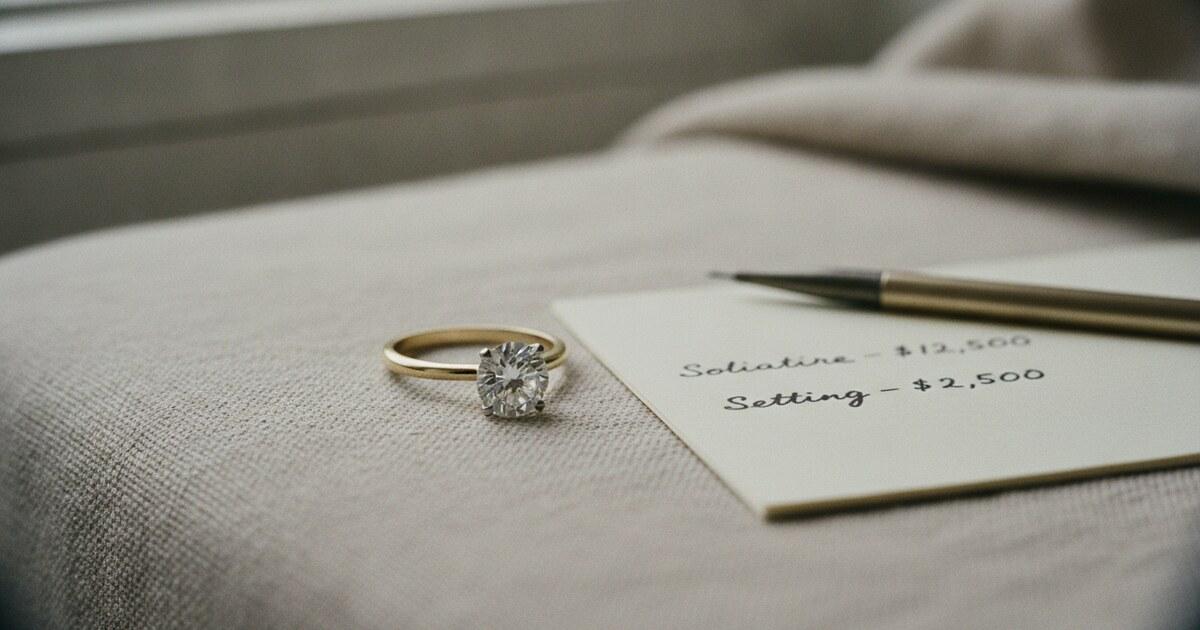
You've decided to sell the ring. Maybe it's sitting in a drawer after a divorce. Maybe the engagement fell through, or you've upgraded and the original sits in a box. Whatever the situation, the goal is straightforward: get a fair price, not whatever the first buyer offers.
The biggest mistake sellers make is walking into negotiations without knowing their ring's value. When you don't know what a comparable ring sold for last month, any offer sounds reasonable. This guide covers what wedding rings actually sell for on the resale market, where to sell yours, and what separates sellers who get good prices from those who don't.
To sell a wedding ring, check its market value first, then collect offers from at least 3 buyers: an online buyer, a local jeweler, and a specialty reseller. Most wedding rings sell for 20-50% of their original retail price. Online specialty buyers typically pay more than pawn shops because they sell the piece as jewelry rather than scrap.
What a Wedding Ring Is Worth at Resale
Retail prices include a retail markup, so a ring you paid $5,000 for rarely sells for $5,000 on the secondary market.
Resale value depends on four things: metal type, diamond quality, brand, and condition. Plain gold or platinum bands recover the most because metal holds intrinsic value tied to commodity spot prices. Diamond rings are more variable. Cut, color, clarity, and carat weight all affect what buyers will pay, and uncertified stones sell for significantly less than GIA-graded ones.
A 1-carat diamond that retailed for $6,000 typically sells for $1,500-$3,000 on the resale market. That's a 25-50% recovery rate. Fancy colored diamonds (yellow, pink) hold value better than white diamonds. Round brilliant cuts resell most easily because buyer demand is deepest for that shape. Fancy shapes like pear or marquise have a narrower buyer pool, which pulls prices down.
The wedding ring resale market follows predictable patterns. Gold and platinum rings fetch 40-60% of retail because metal value is tied to commodity spot prices, currently around $4,100/oz for gold (November 2026). Diamond rings recover 25-50% of purchase price on average, but this varies sharply by stone quality: GIA-certified diamonds with strong cut and color grades (D-H range, VS1-VS2 clarity) command the top of that range, while uncertified stones or lower-clarity grades drop to 20-30%. Branded rings (Tiffany & Co., Cartier, Van Cleef) can recover 50-80% because brand equity survives the resale. A 1-carat round brilliant diamond in a solitaire setting, originally purchased for $7,000, typically sells for $1,800-$3,500 through reputable online buyers in 2026, based on comparable sold listings.
A 14k gold band's value comes largely from its metal weight. At current gold prices ($4,100/oz), 14k gold is worth about $77/gram. A 5-gram band has roughly $385 in raw gold value. A heavier 18k ring with more gold content recovers more. If the ring also has significant diamond weight or a designer name, the jewelry value will exceed the melt value considerably. See our ring valuation guide for a full breakdown by metal and stone type.
Where to Sell a Wedding Ring
You have more options than the pawn shop on the corner. Each channel has a different speed-versus-payout tradeoff.
Online specialty buyers like Worthy, myGemma, and Diamonds USA buy directly from sellers. You ship the ring (fully insured), they evaluate it, and they either make an offer or run it through a dealer auction. Worthy auctions to vetted buyers and charges 10-18% of the final sale price. These platforms typically pay more than pawn shops because the buyer wants the piece as jewelry, not scrap metal.
eBay works well if you're patient and have good photos, plus any certification. Completed sold listings show exactly what comparable rings changed hands for, which helps you price realistically. eBay charges 13.25% in final value fees. Direct sales to private buyers often recover more than dealer quotes, but you handle the transaction yourself.
Local jewelers sometimes buy estate jewelry outright, though many prefer consignment. Expect offers at 20-35% of retail from a buyer who needs to mark up for resale. Consignment stores can get you 40-50% but you wait for the right buyer and pay a commission on the sale.
Pawn shops are the fastest option and the lowest-paying. They buy to resell at a profit, so offers typically run 20-35% of value. Use a pawn shop only if you need cash today and can't wait a week for better alternatives.
Private sale (Facebook Marketplace, Craigslist) has the highest ceiling and the most friction. Buyers are cautious about fakes, and you're responsible for a safe transaction. Meeting at a bank during business hours is standard for high-value rings. For anything over $2,000, consider requiring a cashier's check.
For a deeper look at all your selling options, the where to sell jewelry guide ranks every venue by average payout percentage.
How to Get the Best Offer
Three habits separate sellers who get fair prices from those who don't.
Check market value before you contact anyone. Before you approach a single buyer, know the ring's approximate resale value. Run a quick check on eBay's completed listings, or use a free online appraisal tool. Walk in knowing what a 14k white gold, 1-carat solitaire sold for last month, and you're negotiating from facts rather than guesses.
Collect at least 3 offers. Don't accept the first offer you get, even if it sounds reasonable. Get quotes from an online buyer, a local jeweler, and a specialty reseller. The spread between offers on a mid-range ring is often $500-$1,500. That's real money left on the table when sellers skip this step.
Gather documentation before you reach out. A GIA certificate, original receipt, or written appraisal increases buyer confidence and can add 10-20% to offers. If you have the original box and paperwork, keep it. If the diamond isn't certified, consider getting a GIA certificate first: it costs $80-150 and can add several hundred dollars to the sale on a good stone.
Photograph the ring well. Natural light, a clean background, and sharp focus on the setting and any stamps matter. Online buyers and eBay listings both depend heavily on photos. Blurry or dark photos signal an unsophisticated seller, which invites lower offers.
For rings with diamonds specifically, our guide to selling a diamond ring covers certification, pricing, and which buyers specialize in diamond resale.
Online vs. Local: Which Pays More?
Online buyers almost always pay more than local options for diamond rings. The reason is buyer reach: a Worthy auction exposes your ring to hundreds of dealers across the country competing against each other. A local jeweler is one buyer with one margin requirement.
For plain gold or silver bands with no stones, the gap narrows. Local buyers and scrap gold dealers can be competitive on metal-only pieces because shipping and auction fees eat into the difference.
The tradeoff is timing. A local pawn shop closes a transaction in an hour. Worthy takes 7-10 days from submission to offer. eBay can take weeks depending on how you price it. If time isn't a constraint, online almost always wins on price. If you need cash today, local is your only real option.
How Jewelry Identifier Helps You Sell Smarter
The single most important step before selling is knowing what your ring is worth on the current market. Without that number, you're negotiating blind.
Jewelry Identifier's free eBay Price Checker pulls real sold listings so you can see what comparable rings actually changed hands for, not asking prices that may never close. Enter the ring's basic details (metal type, approximate diamond size, style) and it surfaces recent sale comps from real transactions.
For a fuller picture, the web appraisal dashboard at jewelryappraisals.app lets you upload photos for an AI-powered appraisal covering metal type, gemstone characteristics, and an estimated market value range. Your first appraisal is free. The PDF report includes comparable sales data, which is exactly the kind of documentation that makes buyers take your pricing seriously.
Knowing the value before you negotiate puts you in a fundamentally different position than a seller who accepts the first offer because it sounded plausible.
Frequently Asked Questions
How much is a 1-carat diamond worth at resale?
A 1-carat diamond ring typically resells for $1,500-$3,500, depending on cut, color, clarity, and whether it's GIA-certified. Round brilliant cuts in the D-H color range with VS clarity sell near the top of that range. Uncertified stones or stones graded below SI2 sell for considerably less. Fancy shapes (oval, pear, marquise) often sell for 10-20% less than equivalent round stones.
How much is a 14k gold wedding band worth today?
At current gold prices (around $4,100/oz in November 2026), 14k gold is worth approximately $77/gram for the metal itself. A standard 5-gram gold band has roughly $385 in melt value. Jewelers buying to resell will offer somewhat less than melt; recyclers often pay closer to it. If the band has diamonds or designer markings, the jewelry value adds to the metal base.
Where can I sell my wedding ring fast?
Pawn shops pay the least but close in an hour. Online buyers like Worthy and Diamonds USA take 7-10 days from submission to offer after you ship the ring. For speed balanced with fair pricing, Worthy's auction process is the best middle ground. Facebook Marketplace can close quickly for the right price, but requires safe-exchange planning.
Should I get an appraisal before I sell?
Yes. A free online appraisal or eBay comparable-sales check takes about 5 minutes and gives you a realistic number to negotiate from. A formal written appraisal from a certified gemologist costs $50-150 and makes sense for rings worth $3,000 or more, especially if you plan to request multiple dealer quotes and want documentation to back your asking price.
Does the original receipt help when selling?
It helps but isn't required. Original receipts establish the retail purchase price, which matters most when selling to private buyers who want to verify they're not overpaying. For dealer sales, they'll make their own assessment regardless of what you paid. GIA certificates matter more than receipts to professional buyers.
The Short Version
A wedding ring rarely sells for what it cost new. You'll recover 20-50% of retail in most cases, and knowing that going in prevents disappointment and bad negotiations. The sellers who come out ahead do three things: check market value before approaching buyers, collect multiple offers, and have documentation ready.
If you want to know what your ring is worth right now, get your free appraisal at jewelryappraisals.app. Upload a photo and you'll have a market value estimate in seconds.