 Jewelry Identifier
Vintage Appraisals: How to Value Your Antique Jewelry
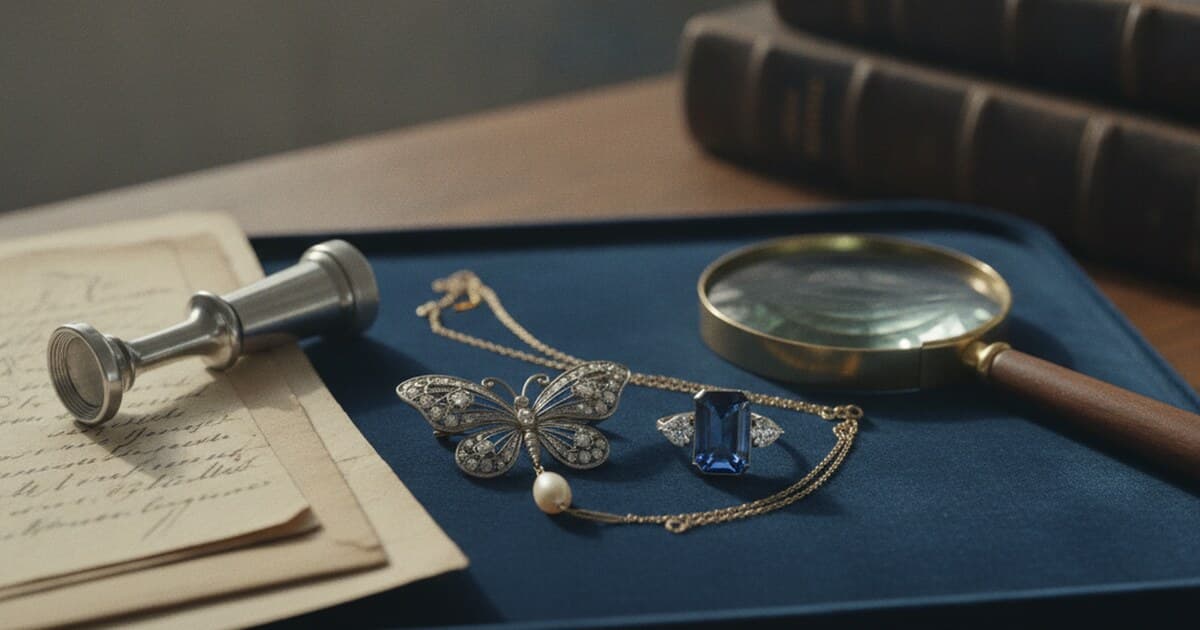
You inherited a box of jewelry and some of it looks genuinely old. Or you picked up a signed brooch at an estate sale for $12 and now you're second-guessing yourself. Getting a vintage appraisal is the only reliable way to find out what a piece is actually worth, and the process trips up a lot of people who haven't been through it before.
Vintage jewelry appraisals differ from modern jewelry valuations in meaningful ways. Age, era, maker attribution, and collector demand all shape the final figure in ways a generalist jeweler sometimes misses. This guide covers what vintage appraisals include, what they cost, and how to get a useful estimate before you book anything.
A vintage appraisal is a written document that assigns a monetary value to an antique or vintage piece based on age, materials, maker, condition, and current market demand. Written appraisal reports for single jewelry items typically cost $50 to $300. Online photo-based estimates start at $25 per item and give you a reliable baseline in under 48 hours.
What a Vintage Appraisal Actually Tells You
A vintage jewelry appraisal is more than a dollar figure. The appraiser examines the piece physically, identifies the materials and maker, then researches comparable recent sales to arrive at a defensible value.
What a written appraisal covers:
- Metal content and purity: gold karat, silver fineness marks, platinum stamps
- Gemstone details: type, estimated weight, any visible enhancements or treatments
- Era and style: Victorian, Edwardian, Art Deco, Retro, Mid-Century Modern
- Maker attribution: signed designer pieces vs. unsigned, hallmarks and maker's cartouches
- Condition: chips, replaced stones, repairs, evidence of refinishing
- Purpose-specific value: the same piece carries different figures for insurance, sale, and estate purposes
Maker attribution is where vintage jewelry appraisals diverge most sharply from modern jewelry valuations. A signed Miriam Haskell parure from the 1940s can appraise at $1,200 to $2,500 in pristine condition with original elements intact, while an unsigned piece of nearly identical construction might bring $80 to $150. The difference sits entirely in attribution. Provenance materials like original receipts, period advertisements featuring the piece, and a matching original box or pouch can each add 20 to 50 percent to the final appraisal figure. Condition factors read differently for vintage work: original surface patina is often acceptable and sometimes desirable, but replaced stones, re-tipped prongs done with modern solder, and refinished surfaces typically reduce value. Appraisers who specialize in vintage and antique jewelry interpret these signals differently from generalists who work primarily with new pieces. For any piece with potential designer attribution, a specialist matters.
The 4 Types of Vintage Appraisals
"Appraisal" describes a category of services, not a single thing. The type you need depends entirely on what you plan to do with the piece.
Fair market value: What the piece would sell for between a willing buyer and a willing seller, neither under pressure. Use this for estate settlements, charitable donations, and dividing assets between heirs. Fair market value typically runs 40 to 60 percent of retail replacement value.
Insurance replacement value: The cost to replace the piece with something comparable at retail today. This number is higher than fair market value, sometimes considerably. Use it to set coverage limits when you add a scheduled jewelry rider to your homeowner's or renter's policy.
Liquidation value: What you'd receive in a forced or quick sale, to a dealer or at auction. Expect 20 to 40 percent of retail. Knowing this figure prevents you from accepting a lowball offer without realizing it.
Verbal estimate: An informal opinion from an appraiser or experienced dealer, usually free to $50. Useful for deciding whether a piece warrants a full written appraisal. It carries no legal weight for insurance or estate purposes.
If you're insuring jewelry, ask specifically for a replacement value appraisal. If you're considering selling, get a fair market or liquidation figure and understand why a gap exists between the two numbers.
How Much Does a Vintage Appraisal Cost?
Costs vary depending on the method, the appraiser's credentials, and how complex the pieces are.
| Service | Typical Cost | |---------|-------------| | Written appraisal, single item | $50 to $300 | | Hourly rate for collections | $100 to $300/hr (2 to 4 items per hour) | | Online photo-based estimate | $25 to $75 per item | | Verbal estimate | Free to $50 |
One rule worth knowing: avoid any appraiser who charges a fee based on a percentage of the appraised value. That structure creates a financial incentive to inflate the number, which is both ethically problematic and potentially fraudulent for insurance purposes. Reputable appraisers charge flat per-item rates or hourly fees only.
Vintage and antique pieces typically sit at the higher end of the per-item range because they require more research, era expertise, and comparable sales work. Budget accordingly if you're bringing in a mixed collection with pieces from multiple periods.
For a full breakdown of what drives appraisal pricing, see our jewelry appraisal cost guide.
How to Find the Right Appraiser for Vintage Jewelry
The credential to look for is certification from one of three organizations: ASA (American Society of Appraisers), AAA (Appraisers Association of America), or ISA (International Society of Appraisers). Each requires written exams, peer review, and continuing education requirements.
Those certifications don't require specialty in vintage jewelry, so you need to ask directly.
Questions to ask before booking:
- Do you specialize in vintage or antique jewelry? Which eras?
- Are you familiar with [specific era or designer type]?
- What's your fee structure, flat rate or hourly?
- Do your appraisals comply with USPAP (Uniform Standards of Professional Appraisal Practice)?
USPAP compliance matters if the appraisal will be used for insurance, estate, or tax purposes. A non-compliant appraisal can be rejected by insurers and estate attorneys. For pieces with potential designer attribution (Cartier, Tiffany, Van Cleef, Miriam Haskell, Joseff of Hollywood), look specifically for appraisers who list vintage designer jewelry among their specialties. Generalist jewelers often misidentify or significantly undervalue signed pieces.
What to Expect During the Appraisal
A standard in-person session for a small collection runs 30 to 60 minutes. For large estates, appraisers typically work on-site over multiple sessions.
What happens during the examination:
- The appraiser inspects each piece under magnification
- Metal is identified via hallmarks or tested if markings are absent or worn
- Stones are examined for type, estimated carat weight, and visible treatments
- Maker's marks are photographed and researched if not immediately recognized
- Comparable sales from recent auction results and dealer records are pulled
- A written report is generated, typically within 1 to 5 business days
Bring any supporting materials you have: previous appraisals, original receipts, photographs of the piece being worn in old family photos, or letters mentioning it. Partial provenance speeds up the process and can affect the final figure.
Don't clean or polish pieces before your appointment. Original surface condition is part of what an appraiser reads. If you think a piece might be signed, photograph every visible mark on the underside before you go in.
Check Materials and Hallmarks Before You Book
Before paying for a professional appointment, an AI scan gives you a fast baseline on what you're dealing with.
Jewelry Identifier reads metal stamps, hallmarks, and gemstone characteristics from a photo in seconds. It returns estimated value ranges based on materials and comparable listings, which helps you decide whether a piece warrants a $200 appraisal fee or a quick online photo estimate. The free online jewelry appraisal tool at jewelryappraisals.app lets you try the first scan without creating an account.
This doesn't replace a certified appraisal for insurance or legal purposes. The app provides estimates, not legally recognized appraisal documents. But for sorting through inherited pieces or deciding which items to prioritize, it saves time before you sit down with a paid appraiser.
The hallmark reader identifies karat marks, maker's cartouches, and date letters from a photo, which gives you useful context going into the appointment.
Frequently Asked Questions
How do I know if a piece is worth getting appraised? Start with a free verbal estimate from an auction house or estate jewelry dealer. Most offer this without obligation, and if they indicate the piece has value, a written appraisal makes sense. An AI-based scanning tool can also give you a quick read on materials and comparable prices before you commit to any fee.
How often should I reappraise vintage jewelry? Every 3 to 5 years for insured pieces, or after a significant market shift. Gold has risen substantially since 2020, and collector demand for Art Deco and Mid-Century pieces has increased considerably. An appraisal from 2019 likely understates current replacement costs for both fine and signed costume jewelry.
What's the difference between antique and vintage for appraisal purposes? Antiques are 100 or more years old. Vintage generally refers to items 20 to 99 years old, though this varies by context and market. For appraisal work, the distinction matters because antiques may qualify for different customs treatment and certain estate exemptions. Most jewelry appraisers handle both categories, though some specialize in one era range or another.
Can I get a vintage appraisal online? Yes. Photo-based appraisal services like Mearto typically start at $25 per item and return results within 48 hours. These work well for general value estimates and often satisfy insurance requirements. For estate or legal purposes, confirm with the relevant institution whether they require an in-person USPAP-compliant document.
Does appraisal value match what I'd get if I sell? Rarely. Jewelry appraisal value and selling price are two different numbers, and insurance replacement appraisals typically run 40 to 60 percent above what dealers or auction houses actually pay. Understanding which type of value your appraisal represents prevents a lot of frustration when you go to sell.
Getting a vintage appraisal starts with knowing which type you need and finding someone with credentials in the relevant era. If you're sorting through inherited pieces and want to know what you're dealing with before booking anyone, your first appraisal is free at jewelryappraisals.app/sign-up.